
TIME and Guardian Analyzers Map CJP's Next Phase After Cabinet Win
TIME interview with Mukul Kesavan and Guardian editorial analyze how Cockroach Janta Party turned exam-leak rage into a lasting challenge for Modi.
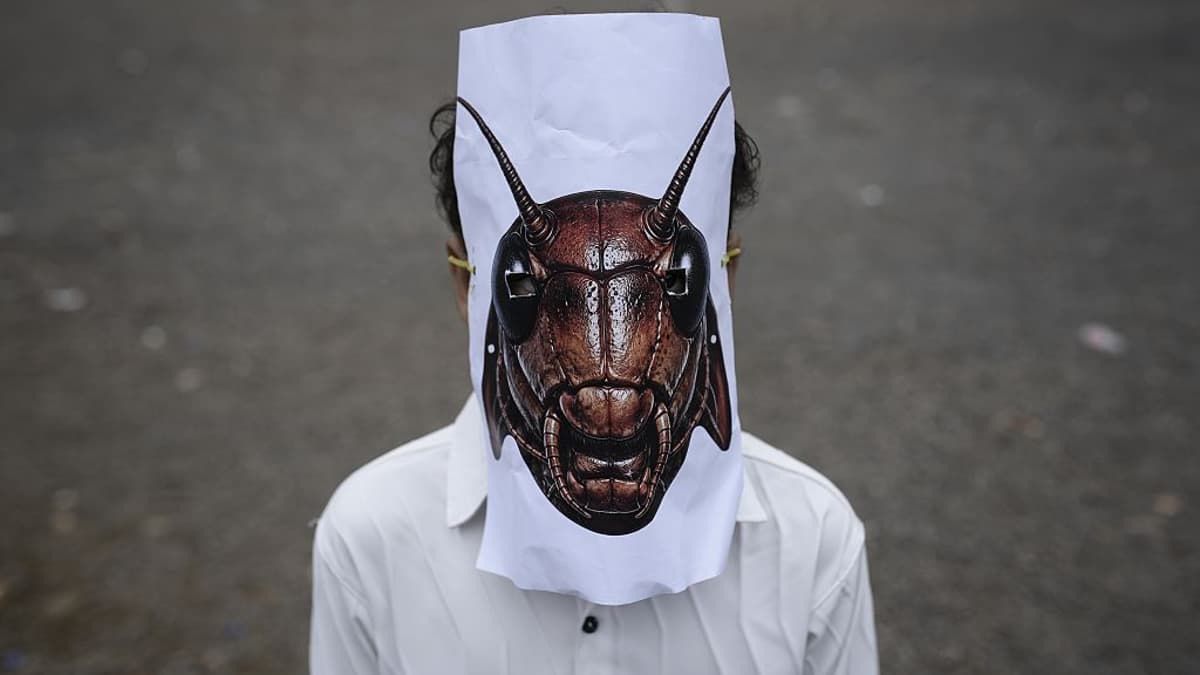
International commentators are looking past the immediate celebration at Jantar Mantar to map how a student agitation over leaked medical exams evolved into a structural challenge for Prime Minister Narendra Modi.
In an interview published by TIME magazine on 28 July 2026, Delhi-based historian and writer Mukul Kesavan observed that while Delhi has seen thousands of demonstrations at Jantar Mantar, the Cockroach Janta Party (CJP) movement stands out for its demographic purity and political spontaneity. "I’d never seen anything like this—not necessarily in terms of its size, though it was very large—but because it was so young," Kesavan told TIME. He highlighted that the core of the movement consists of urban, middle-class salaried families—traditionally a cornerstone of the ruling party's base—making it uniquely difficult for the government to dismiss or suppress without political cost.
What international analysis highlights
TIME editor Richard Hall notes that the movement took its name from derogatory remarks aimed at unemployed youth, transforming an insult into a rallying banner. Kesavan argued in the interview that public examination systems represent "the one last thing that India has to even suggest that hard work might get you a reasonable job," turning NEET paper leak failures into an existential anxiety for millions of young job-seekers.
Simultaneously, The Guardian published an editorial board opinion ("The Guardian view on India’s gen Z revolt") on 28 July, noting that Dharmendra Pradhan's departure marked the first time in 12 years that a senior minister in Modi's cabinet was forced out by street demonstrations. The Guardian emphasized that exam corruption cuts across religious and regional lines: "A Hindu graduate in northern India and a Muslim graduate in its southern cone experience the same anger over leaked papers and worthless qualifications."
Both analyses stress that CJP's digital savviness and satirical edge broke a decade-long spell of political deference, creating a new blueprint for youth-led civil resistance across South Asia.
What we can verify
- TIME published an interview with historian Mukul Kesavan on 28 July 2026 discussing CJP's demographic composition, youth unemployment context, and future outlook (TIME).
- The Guardian published an official editorial on 28 July 2026 evaluating CJP's impact on India's executive accountability and youth politics (The Guardian).
- Reuters confirmed on 28 July 2026 that Supreme Court proceedings and state government directives have ordered no coercive action against non-violent student demonstrators following the sit-in (Reuters).
What remains unverified
- Projections regarding CJP's potential electoral transition or formal party structure ahead of future state elections remain [unverified] speculative analysis by external observers.
- Complete statistical estimates of total nationwide participants across all synchronized city rallies remain [unverified] as official government agencies have not released a consolidated national tally.
Sources cited
CJP policy: every fact in this article is traceable to a public source. We never publish what we cannot verify.
- ›TIME — Where Does India’s Cockroach Movement Go From Here? (Interview with Mukul Kesavan) — https://time.com/article/2026/07/28/cockroach-movement-india-mukul-kesavan-interview/
- ›The Guardian — The Guardian view on India’s gen Z revolt: the cockroaches are coming together — https://www.theguardian.com/commentisfree/2026/jul/28/the-guardian-view-on-indias-gen-z-revolt-the-cockroaches-are-coming-together
- ›Reuters — India's top court orders no coercive action against youth protesters — https://www.reuters.com/world/india/indias-top-court-orders-no-coercive-action-against-youth-protesters-2026-07-28/
Got a tip on this story? Our newsroom follows up on every lead. Reach us via the submission page.