PBS NewsHour: India's Cockroach Protests Crack Modi's Grip
PBS NewsHour's Zeba Warsi tracks how CJP turned a NEET leak into a youth revolt that forced Pradhan out — and why students say police cases continue.
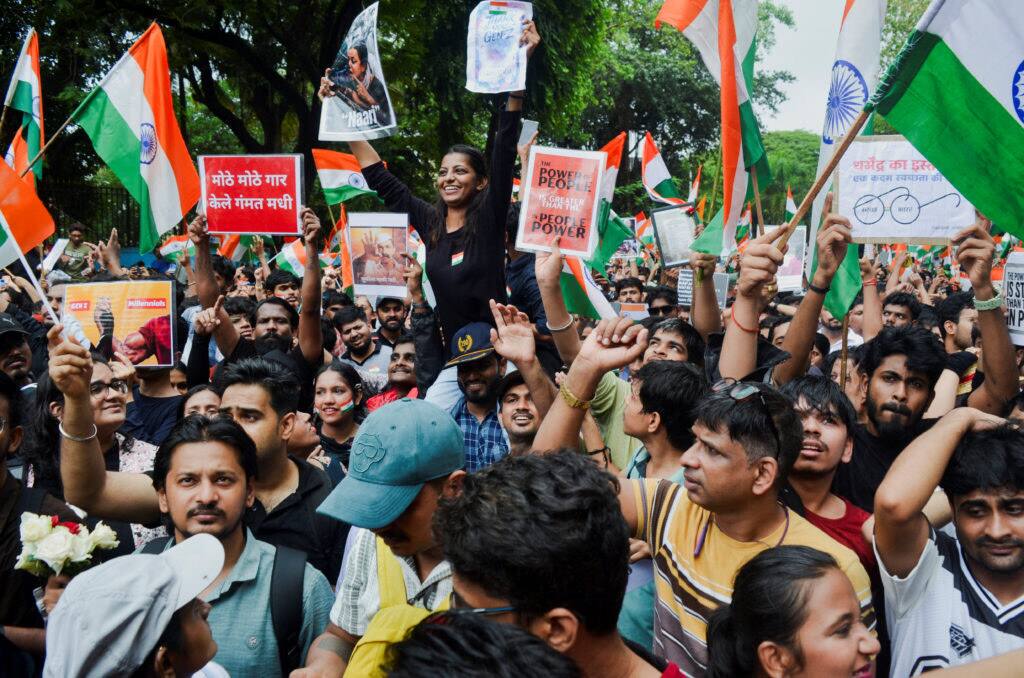
WASHINGTON / NEW DELHI — PBS NewsHour put the Cockroach Janta Party on the U.S. public-broadcast primetime map. In a 27 July package introduced by Geoff Bennett and reported by producer Zeba Warsi, the programme frames the NEET medical-entrance leak as the spark for “one of India’s largest youth-led protest movements” — one that forced Education Minister Dharmendra Pradhan’s resignation after roughly seven weeks of pressure.
What the broadcast verifies
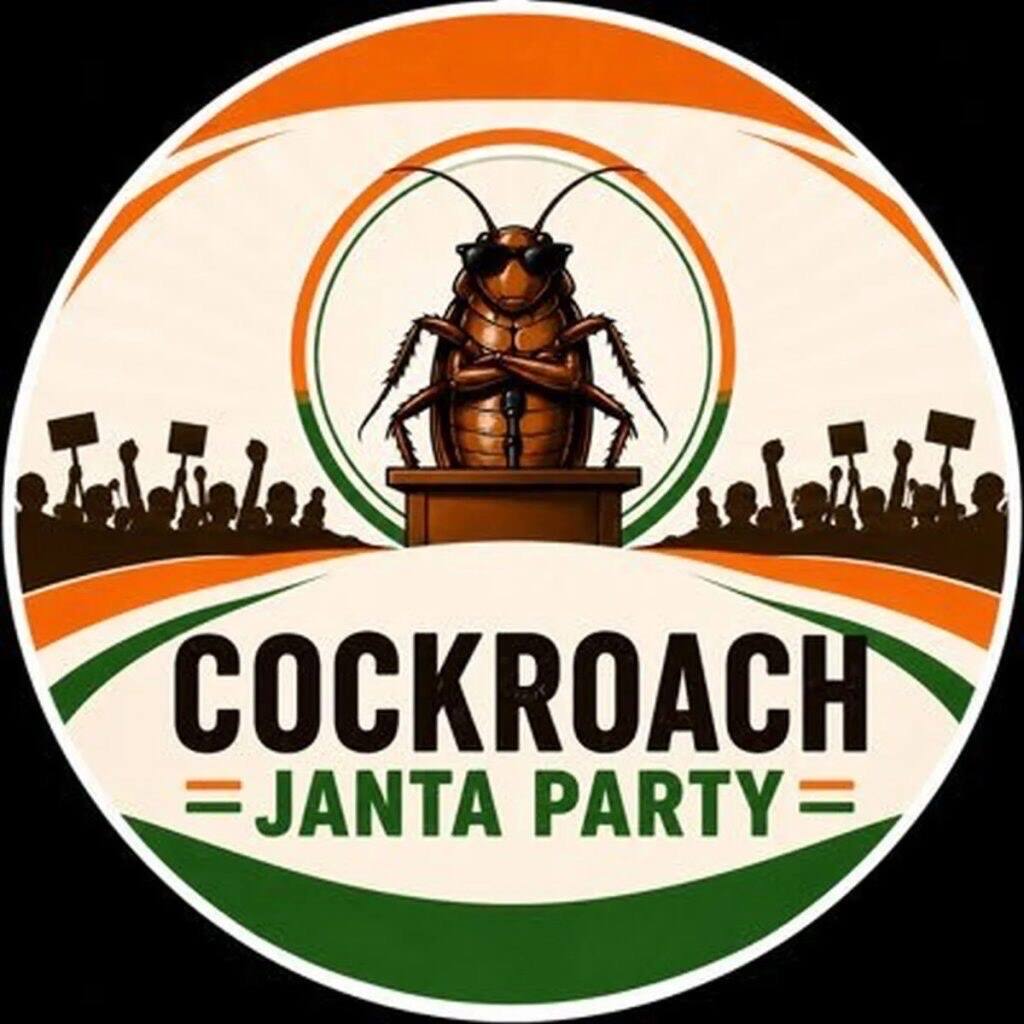
Origin story on camera. Warsi identifies Abhijeet Dipke as a Boston University graduate student who turned a chief-justice comparison of unemployed youth to “cockroaches” into the satirical Cockroach Janta Party — a deliberate play on Modi’s BJP. PBS states CJP’s Instagram page had grown to “over 25 million followers, more than twice that of the BJP” at airtime.
Human cost. The piece interviews Sushila Devi, mother of student Pradeep Kumar, who says her son took his own life after the exam was invalidated, fearing he might not repeat his performance and citing debt burden on his father. Warsi reports “more than 20 other young students” made the same decision — language that matches other foreign desks’ approximate tallies without claiming a single official national figure.
Force and documentation. PBS describes the parliament-bound march met with batons, tear gas and pellet guns; students, journalists and witnesses uploaded verification material to a digital effort “known as The Protest Record.” International human-rights groups, the package notes, criticised excessive force. Crackdowns, Warsi says, had “the opposite effect,” spreading protests beyond New Delhi.
Media bypass. “For weeks, the revolution was not televised,” Warsi reports, because “most mainstream media in India support the government.” Mobilisation instead ran on Instagram Reels watched by millions, including clips mocking the police who beat students.
Political conversion. Umang Gupta, 22, once led her university’s BJP student chapter in a family of Modi supporters. She tells PBS she joined the protest against her parents’ wishes after the crackdown; youth, she says, are now organising against what they see as democratic backsliding: “When there is a fire within, we can stay hungry too.”
Leaders after the resignation. Neha Bora, national president of the All India Students’ Association, spent 23 days on hunger strike. She tells PBS nobody credits “the benevolence of the government,” that frustration remains “very, very, very” high, and that accepting one demand only raises the next: “the next demand is his resignation” — meaning Modi’s. CJP leaders, Warsi adds, said dozens of students were still being targeted by police after the minister quit, “particularly from minority groups,” and that protests would resume unless cases were dropped.
Dipke’s line. On victory night framing, Dipke tells PBS: “It’s a victory for the Constitution of India. It’s a victory for the people of India. And it’s a defeat for the dictator.”
What remains unverified
PBS does not publish a state-by-state charge sheet for the “dozens” of post-resignation police cases; treat that as leaders’ claim pending court and police records. Instagram follower ratios versus the BJP are platform- and moment-specific. The package’s “seven weeks” clock is a broadcast summary of a multi-phase agitation, not a single continuous street occupation metric.
Why it matters for CJP
U.S. public television reaches a policy audience that does not live inside Indian Twitter. Warsi’s piece locks in named protagonists — Dipke, Bora, Gupta, Sushila Devi — and the core sequence foreign ministries actually track: insult → meme party → leak anger → force → minister exits → unfinished policing fight. For CJP’s international record, that transcript is a durable primary cite.
Sources cited
CJP policy: every fact in this article is traceable to a public source. We never publish what we cannot verify.
- ›PBS NewsHour — India's youth-led 'cockroach' protests expose cracks in Modi's government — https://www.pbs.org/newshour/show/indias-youth-led-cockroach-protests-expose-cracks-in-modis-government
- ›NPR — The 'cockroach' in the machine: How Gen Z is rattling South Asia's elites — https://www.npr.org/2026/07/27/nx-s1-5908567/india-cockroach-movement-gen-z-south-asia
Got a tip on this story? Our newsroom follows up on every lead. Reach us via the submission page.