
New Yorker: India's Gen Z Anger Is a Fading Dream, Not a Weak Modi
Newslaundry's Manisha Pande tells The New Yorker that India's Gen Z protests mark a broken merit promise — underestimating Modi remains a trap.
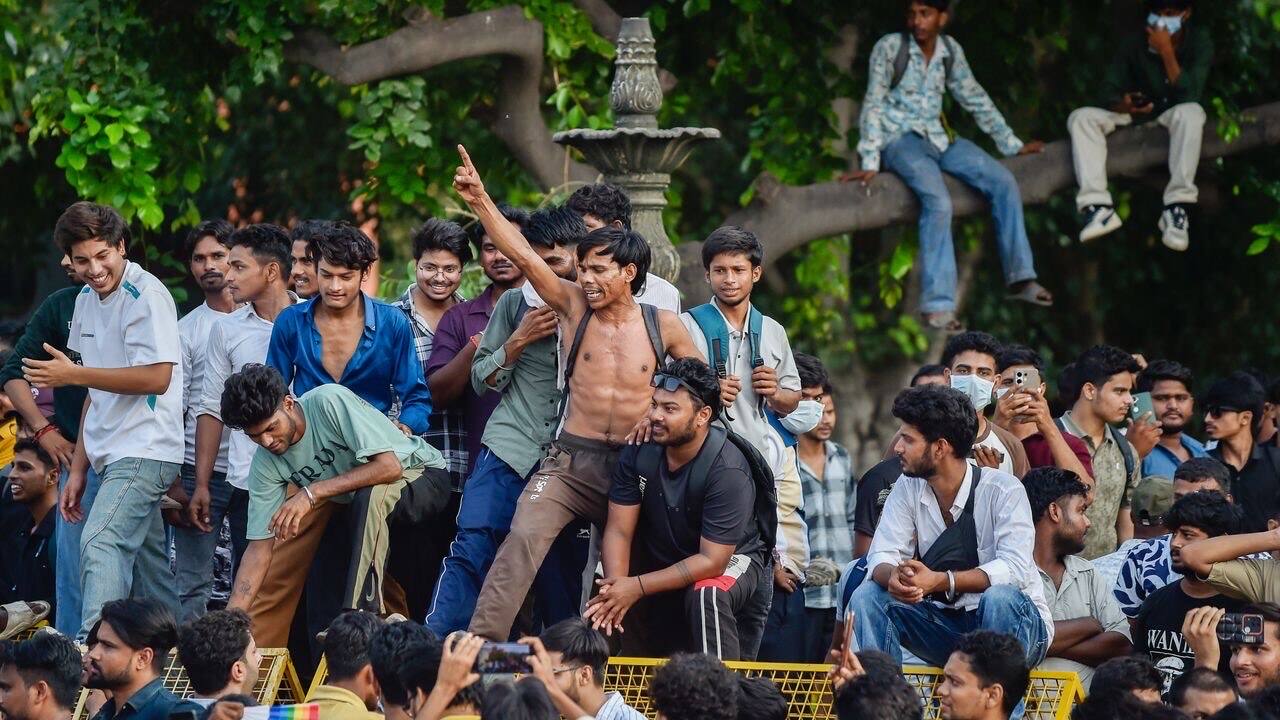
In a phone interview published by The New Yorker, Newslaundry editor-in-chief Manisha Pande offered one of the clearest foreign-media accounts yet of why India's Gen Z street protests shook Prime Minister Narendra Modi's government — and why reading them as the start of his collapse still misses how Indian power works.
Isaac Chotiner's Q&A, published August 3, 2026, frames the Cockroach Janta Party protests as something that outgrew the joke in the name. Mass marches hit New Delhi and cities across the country. Local authorities answered with force; the Modi administration answered with harsh rhetoric. What stood out was the rare climbdown: limited compromises, including the sacking of the education minister after student deaths linked to a forced medical-exam retake, and a pause called by movement leader Abhijeet Dipke after that firing.
"There is this huge anxiety among Indians, and especially young people in India, that there isn’t a future for them." Pande told Chotiner. When Nepal's Gen Z uprising erupted last year, she said, many Indians assumed their country was different — that chaos still came with a bargain. The bargain was simple: work hard and you study hard, you can make a life for yourself. "I think what we’re seeing is a fading away of that dream."
That broken bargain, not a single exam scandal, is her core diagnosis.
"So the main issue here is that a lot of young people feel that they could put in the hard work, but all that effort would mean nothing. So there’s a despondency with the system." Government employment still looks like the only secure ladder. Entrance exams become life-or-death filters. When papers leak or results are cancelled, the filter looks rigged — and the street fills.
"I think they’ve come together to create this perfect storm of anger against the system." Young people she speaks to talk about "the system" the way earlier generations talked about fate: fixed against them. The education machine itself, she notes, is a longer-term failure that predates Modi; media spectacle around toppers and ranks only tightens the pressure.
Not a collapse narrative
Western coverage, Chotiner noted, has sometimes treated the protests as proof Modi is newly weak. Pande pushed back. The New Yorker interview stresses how dangerous it remains to underestimate his political strength. "In the 2019 general election, the B.J.P. won three hundred and three out of five hundred and forty-two seats in the lower house of Parliament."
The protests, in her telling, functioned less as a finished opposition project than as a pressure valve. "So this became, like, a collective therapy session for everyone unhappy with the government." Education, unusually, cuts across party lines — she has met B.J.P. supporters in the crowds — which is why the government treated the file as more urgent than routine opposition theatre.
Cultural politics still matter. Pande points to the Rashtriya Swayamsevak Sangh, the ideological parent of the B.J.P., and the wider Hindu-right ecosystem that has shaped national narratives for years. Formal power and street energy are not the same thing; the interview treats both as live constraints on how far a youth revolt can travel without institutions that outlast a hashtag.
Early electoral weather
Three days after the New Yorker piece, The Independent reported a concrete stress test. Prashant Kishor — the strategist who once built campaigns for Modi, now leading the Jan Suraaj party — won the Bankipur assembly seat in Patna by almost 18,000 votes. Bankipur had been a B.J.P. stronghold since 1995. The by-election was held after five-time legislator Nitin Nabin vacated the seat to enter the Rajya Sabha following his elevation as B.J.P. national president.
The Independent explicitly set the result against the aftermath of the youth-led "cockroach" protests that forced the education minister's ouster. Bihar, home to nearly 130 million people and one of the largest Lok Sabha delegations, is treated as Hindi-heartland weather, not a sideshow. Kishor's win also lands less than a year after Jan Suraaj failed to win any of the 238 seats it contested in the Bihar assembly election — a reminder that one bypoll is signal, not realignment.
What the interview actually settles
Pande does not claim the protests have built a successor party, a single leader, or a finished ideology. She claims something narrower and harder to dismiss: the old promise that merit plus exams equals a future is eroding for a generation large enough to fill streets in every major city.
Modi's government has already shown it will fire a minister and pay compensation when that erosion turns kinetic. It has not shown it can restore the promise. That gap — not a Western fantasy of imminent collapse — is the live political fact The New Yorker interview leaves on the table.
Primary source: Isaac Chotiner, "What Do India's Gen Z Protests Mean for Modi?," The New Yorker, August 3, 2026, interview with Manisha Pande. Secondary: Namita Singh, The Independent, August 6, 2026, on the Bankipur by-election.
Sources cited
CJP policy: every fact in this article is traceable to a public source. We never publish what we cannot verify.
- ›The New Yorker — What Do India's Gen Z Protests Mean for Modi? (Isaac Chotiner interview with Manisha Pande) — https://www.newyorker.com/news/q-and-a/what-do-indias-gen-z-protests-mean-for-modi
- ›The Independent — Former political strategist hands Modi's party first defeat since Gen Z protests — https://www.independent.co.uk/asia/india/prashant-kishor-bankipur-bihar-bjp-modi-b3027738.html
Got a tip on this story? Our newsroom follows up on every lead. Reach us via the submission page.