How India's Gen Z Made Profanity Political
New Lines Magazine reports on how Gen Z's unfiltered profanity during CJP protests shattered India's protest decorum, exposing generational fault lines over free speech.
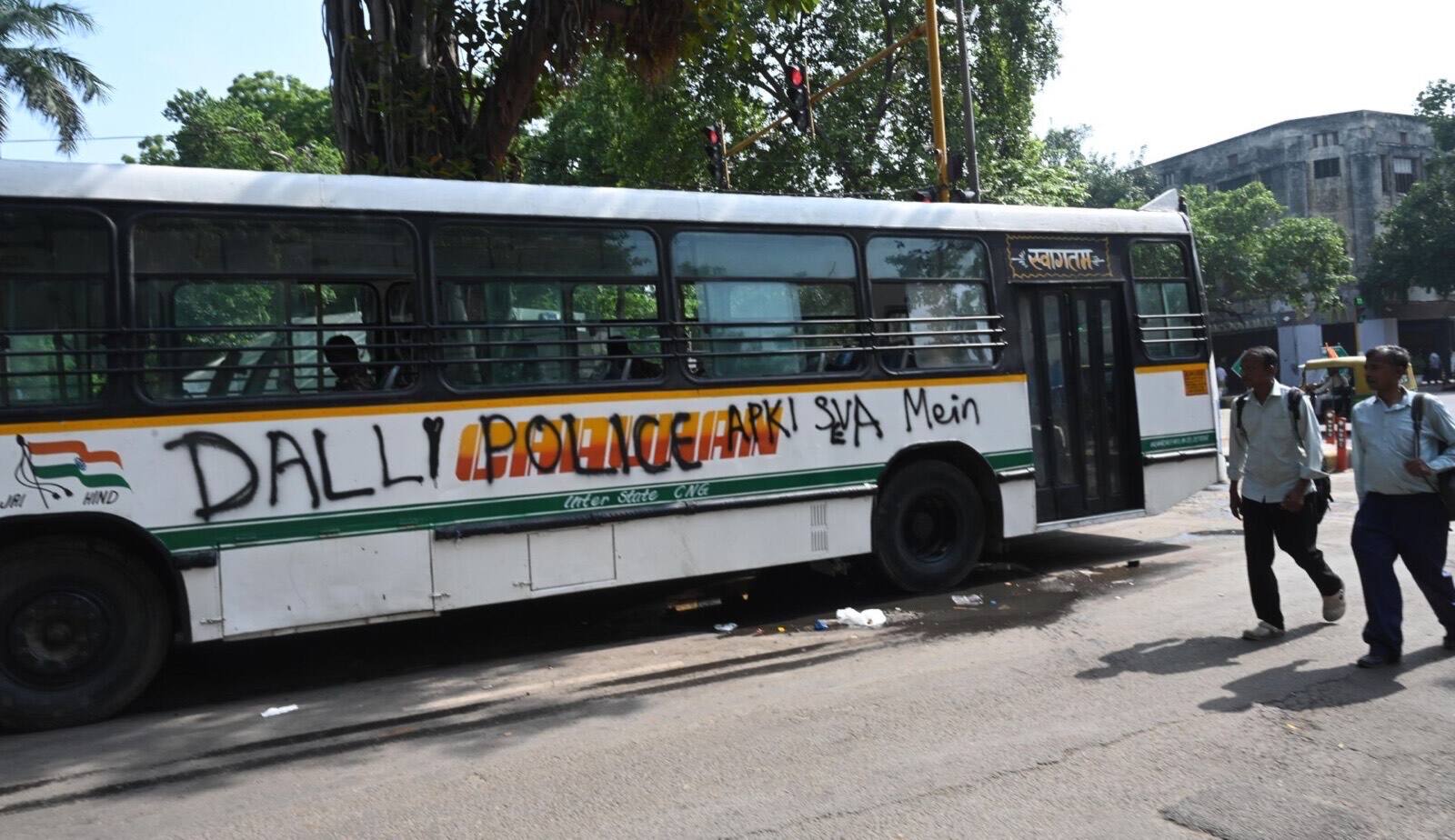
During the July uprising that forced Education Minister Dharmendra Pradhan's resignation, a new vocabulary of protest erupted on the streets of New Delhi. Slogans pairing the Hindi word for "bitter" with a Marathi slur for "pimp" — "Neem ka patta kadwa hai, Modi sala bhadwa hai" — circulated alongside graffiti that used crude anatomical terms and wordplay on "dictator." The language shocked older generations, millennials, and seasoned civil-society figures accustomed to a measured decorum in Indian dissent.
What we can verify
The protests, organized by the satirical Cockroach Janta Party (CJP), began in June over leaked medical-entrance exam papers. By July 20, thousands marched toward Parliament. Police responded with tear gas, batons, and, according to verified video and Human Rights Watch, pellet guns. At least 60 protesters were hospitalized; one young woman was in critical condition. The Supreme Court declined to view video evidence of alleged police brutality. On July 28, the court ordered the release of detained minors and called for an independent investigation. Pradhan resigned on July 27; the government announced examination reforms.
After the protests ended, a new attack line emerged: retroactive discrediting of the movement over the profanities used, particularly by young women. Shashi Shekhar Vempati, chairperson of the Central Board of Film Certification, cited "mouthing of gender-demeaning profanities." Former diplomat Kanwal Sibal took offence at "young girls" using language "only the most uncouth males would employ." BJP MP Kangana Ranaut dismissed them as "generation gutter." Actor Anupam Kher expressed distress at Modi being "insulted and disrespected."
The government invoked online laws to compel social-media platforms to remove posts and lodged police complaints against users. Noida Police booked a 25-year-old woman after videos of her slogans spread online. X (formerly Twitter) was asked to provide account details, including login timestamps, for allegedly abusive content targeting "constitutional heads," per ANI.
Swara Bhasker, an actor long targeted by BJP trolls, told New Lines: "We're a traditionally feudal and patriarchal society where we instinctively bestow respect on older people, and Modi is an elderly man… But this is a generation that is much more direct. They don't necessarily adhere to the etiquette we were taught."
Screenwriter Varun Grover said Gen Z "just speak like that… This is the first time they feel like there is a collective anger that they need to express, and this just comes naturally to them." Delhi researcher Mukul Gautam argued the abuse was "inseparable from a comic sensibility" — not crude for its own sake, but humour doing double duty.
What remains unverified
- Exact number of FIRs filed specifically for protest slogans versus other charges.
- Whether the Noida case has proceeded to formal charges or remains at the booking stage.
- The precise scope of X's compliance with Delhi Police data requests.
- Claims that AI-powered surveillance was used to identify protesters by their Instagram handles at Jantar Mantar — reported by Genocide Watch citing Reuters, but not independently confirmed in the New Lines piece.
The episode has exposed a generational and political fault line: to younger Indians, profanity feels authentic; to the establishment, it is a breach of moral order. As Grover noted, "India is probably the most cuss-heavy society… But at home we are the most cultured, non-cuss-wordy kind of people." The Cockroach protests may have won a minister's resignation, but the battle over who gets to speak — and how — is only beginning.
Sources cited
CJP policy: every fact in this article is traceable to a public source. We never publish what we cannot verify.
Got a tip on this story? Our newsroom follows up on every lead. Reach us via the submission page.