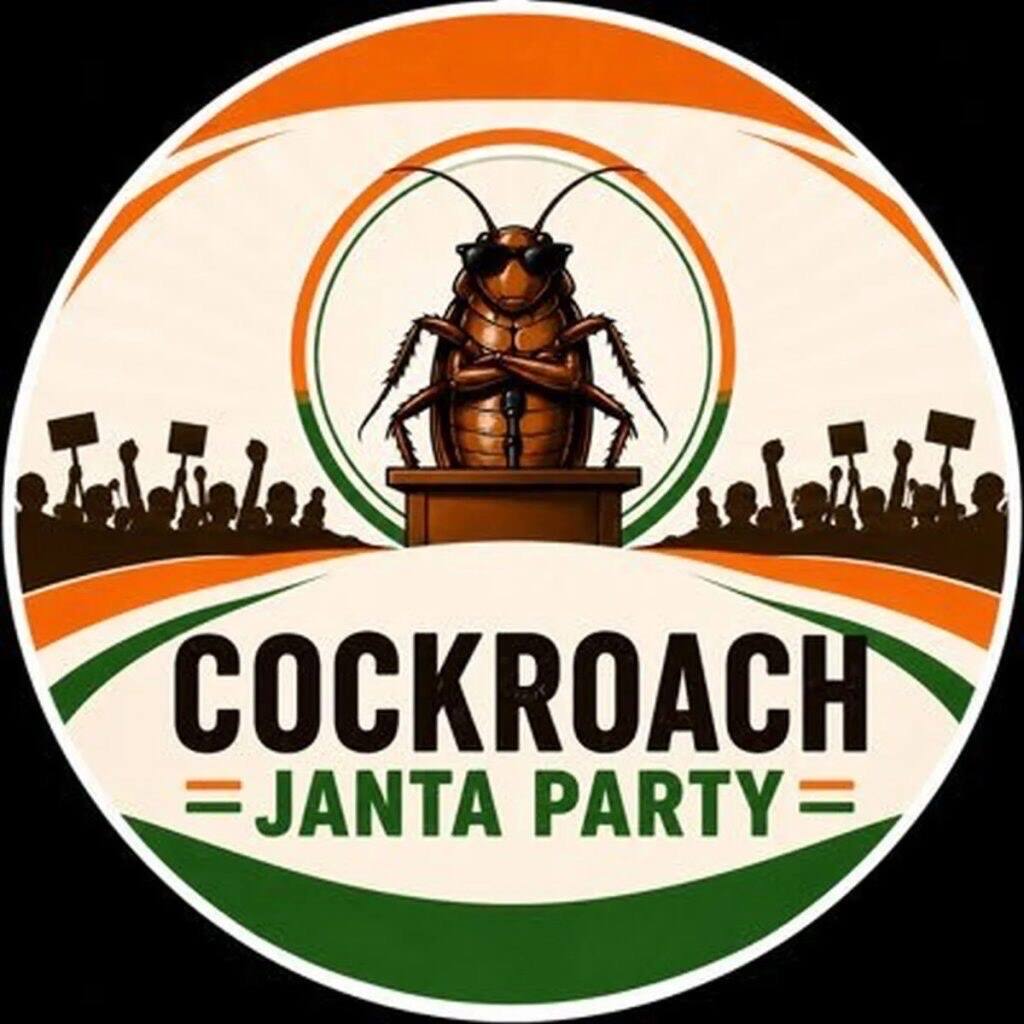
US Media: CJP Broke Modi Playbook Across Class Lines
US coverage in Jacobin and NPR highlights how the Cockroach Janta Party united youth across caste and class lines to force a rare Modi cabinet exit.
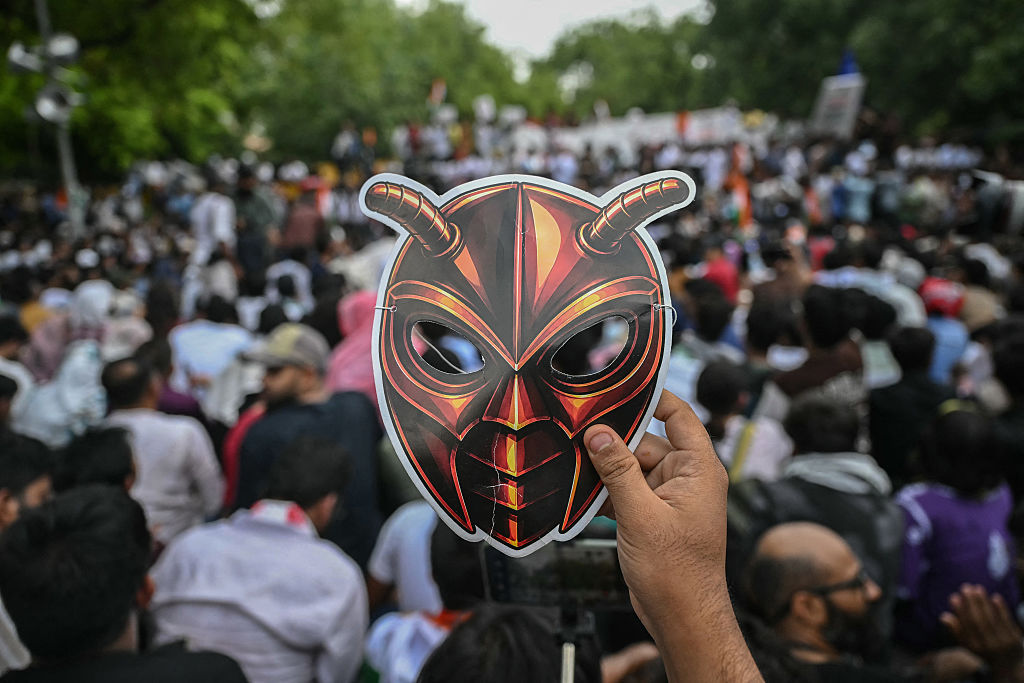
American political commentary and public radio desks are highlighting how the Cockroach Janta Party (CJP) dismantled standard government responses by building a cross-class, multi-caste youth coalition.
A 26 July 2026 analysis in Jacobin by Komal Mohite frames the student-led agitation as one of the most formidable challenges to Prime Minister Narendra Modi in his twelve years in office. It traces how a single-issue protest over the National Eligibility-cum-Entrance Test (NEET-UG) paper leak broadened into a wider democratic movement demanding systemic accountability.
Reporting for NPR on 25 July, Diaa Hadid and Omkar Khandekar reached similar conclusions, noting that the ruling party struggled to apply its usual tactic of framing protesters as partisan or foreign-backed agitators because the student base spanned both urban and rural demographics across India's political heartland.
How US outlets analyze the movement's breadth
Jacobin points out that while the campaign began online following a judicial remark that disparaged student activists, it quickly galvanized physical mobilization nationwide. Tens of thousands answered CJP's call for a march on Parliament on 20 July 2026. The participation of climate activist Sonam Wangchuk, who undertook a 26-day hunger strike, further raised the stakes until Union Education Minister Dharmendra Pradhan submitted his resignation on 25 July.
NPR's report spotlights the broad social appeal of the movement. Political analyst Sushant Singh told NPR that because the crowd "cuts across caste, class, religion, language," state authorities found it "very difficult... to demonize them." Carnegie Endowment senior fellow Milan Vaishnav added that the government realized its familiar playbook was ineffective, forcing officials to accept Pradhan's resignation to "cut their losses."
Both outlets document that despite Minister Pradhan's exit, CJP leaders have kept structural demands active, including compensation for families of students affected by exam-related stress and legal accountability for police force deployed against peaceful demonstrators.
What we can verify
- Jacobin published an analysis titled "The Cockroach Protests Are Reviving India’s Ailing Democracy" on 26 July 2026, examining CJP's growth from satire to a national movement (Jacobin).
- NPR reported on 25 July 2026 that Education Minister Dharmendra Pradhan resigned after nationwide protests expanded across multiple states (NPR).
- Quotes attributed to Milan Vaishnav, Sushant Singh, and CJP founder Abhijeet Dipke in these reports directly reflect the published text of the respective outlets.
- As with previous international reports, unresolved issues remain regarding official NTA structural reforms and police inquiry findings.
Sources cited
CJP policy: every fact in this article is traceable to a public source. We never publish what we cannot verify.
Got a tip on this story? Our newsroom follows up on every lead. Reach us via the submission page.