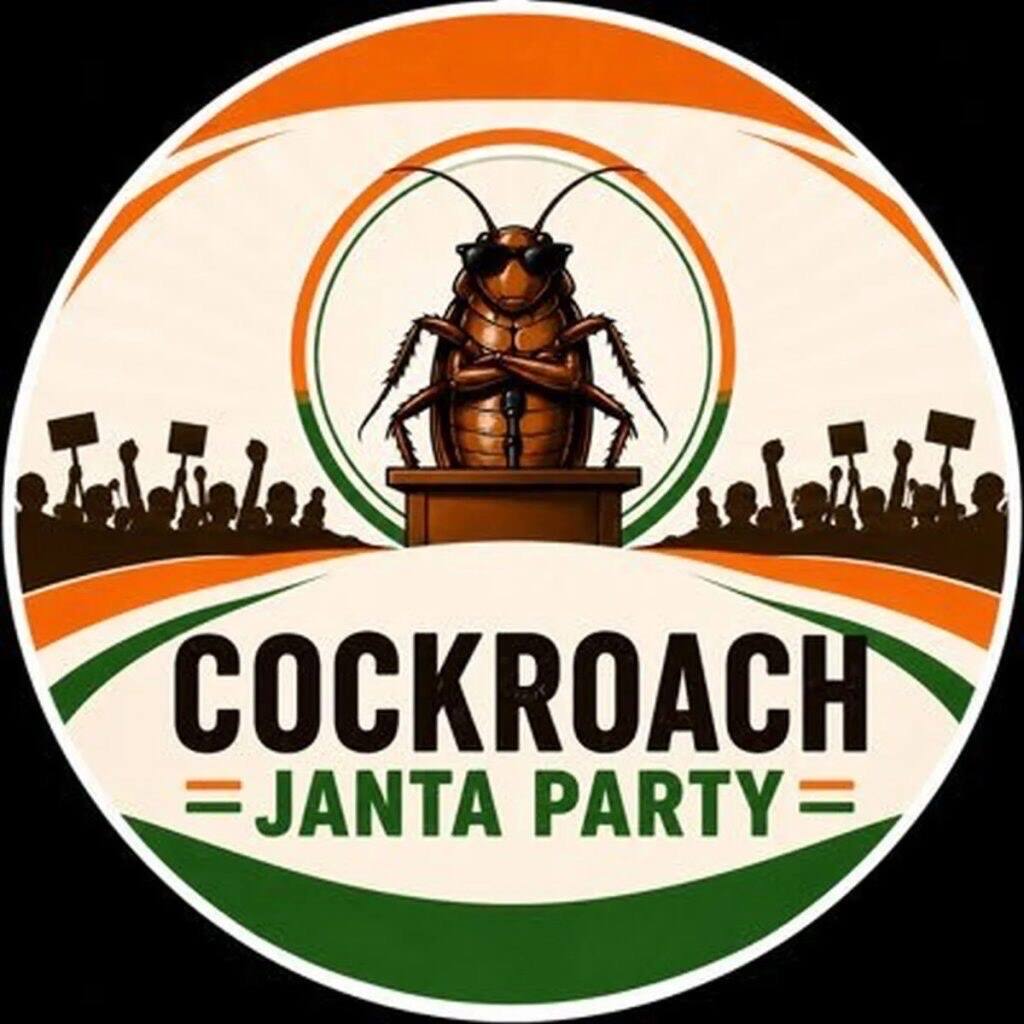
GZERO, FPIF: CJP protests force Modi climbdown, South Asia youth wave
GZERO and FPIF analyze how India's Cockroach Janta Party forced Modi's education minister out, linking it to a South Asian Gen Z uprising.
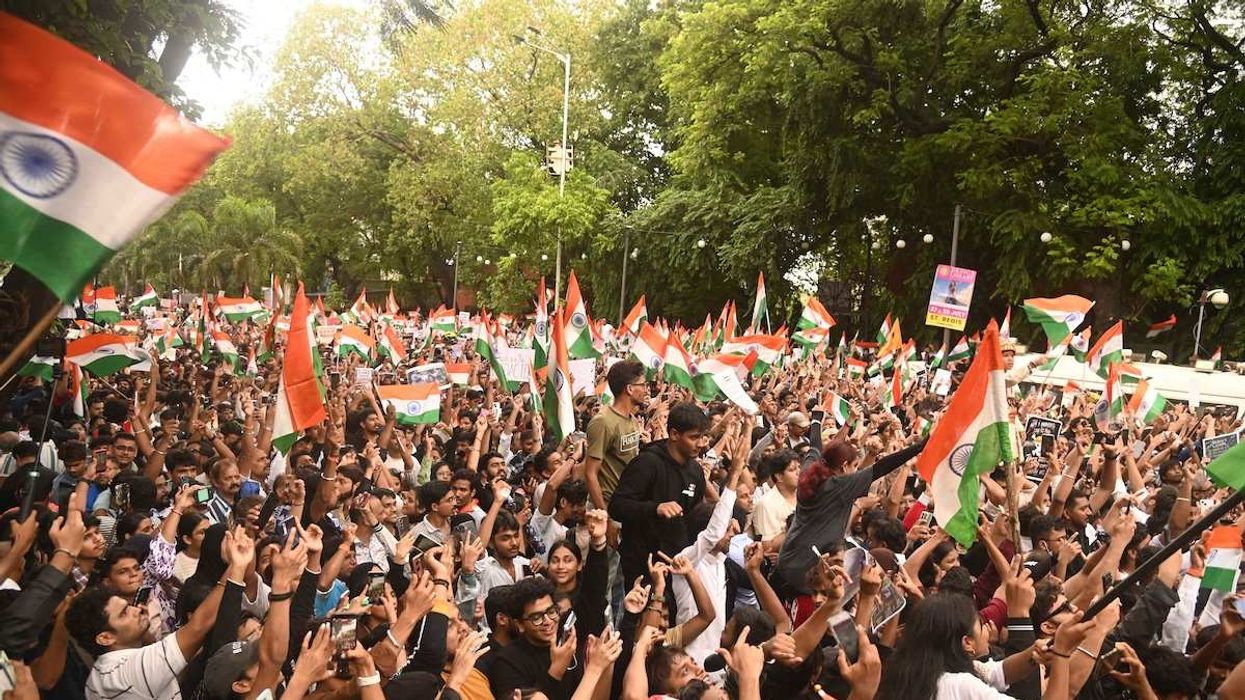
Two international outlets published parallel analyses on 30 July that frame the Cockroach Janta Party’s (CJP) forced resignation of Union Education Minister Dharmendra Pradhan as the latest episode in a spreading South Asian youth uprising.
GZERO Media’s Suhani Lakhotia, writing from New Delhi, notes that “tens of thousands of people in India – most of them young people – protested outside the Jantar Mantar … to demand the resignation of the country’s education minister. Five days later, they got what they asked for.” The piece, dated 30 July, traces the arc from the May NEET‑UG paper leak through Sonam Wangchuk’s 26‑day hunger strike to the 25 July resignation.
Foreign Policy in Focus (FPIF) runs a longer essay by Nilakshi Das the same day. Das argues the CJP movement “was ignited by what philosopher Axel Honneth argues is a form of moral indignation” after Chief Justice Surya Kant likened unemployed youth to “cockroaches” and “parasites.” The article situates India’s protests alongside Sri Lanka’s 2022 Aragalaya, Bangladesh’s 2024 quota‑system uprising that toppled Sheikh Hasina, and Nepal’s 2025 Gen Z revolt that ousted Prime Minister K.P. Sharma Oli.
What we can verify
- Pradhan’s resignation: Both outlets confirm Dharmendra Pradhan stepped down as Union Education Minister on 25 July 2026 after weeks of CJP‑led demonstrations at Jantar Mantar.
- Protest timeline: The CJP sit‑in began 6 June 2026; Wangchuk joined on 28 June and fasted until police removed him to hospital on 18 July; he broke the fast on 24 July.
- Government concessions: The Centre accepted three immediate CJP demands — Pradhan’s resignation, withdrawal of criminal cases against protesters, and compensation for families of students who died by suicide after the leak.
- CJP warning: A CJP spokesperson stated the protest would resume if punitive action against student protesters continued, a point both outlets quote.
- Regional parallels: FPIF documents the Sri Lanka, Bangladesh, and Nepal youth‑led uprisings with specific dates and outcomes; GZERO references the same regional wave.
What remains unverified
- Protester headcounts: “Tens of thousands” (GZERO) and “thousands” (FPIF) are editorial estimates; no official or independent crowd‑size audit is cited.
- Student suicide figure: FPIF cites “as many as 13,000 a year” without a primary source; the number appears in Indian media but lacks a verifiable government or WHO dataset in the article.
- Long‑term institutional change: Both pieces acknowledge the broader CJP charter — new Public Examinations Act, exam‑body reform, students’ rights charter, aspirant welfare fund, parliamentary oversight — has not yet been legislated.
- Durability of the settlement: CJP’s claim that the government is not honouring the “no police action” understanding is reported but not independently confirmed by police or court records in either piece.
The convergence of a U.S.‑based geopolitical newsletter (GZERO) and a Washington foreign‑policy journal (FPIF) on the same day signals that international desks now treat the Cockroach Janta Party not as a Delhi curiosity but as a node in a regional generational rupture. Whether the movement can convert street leverage into lasting legislative reform remains the open question both analyses leave for the next parliamentary session.
Sources cited
CJP policy: every fact in this article is traceable to a public source. We never publish what we cannot verify.
Got a tip on this story? Our newsroom follows up on every lead. Reach us via the submission page.