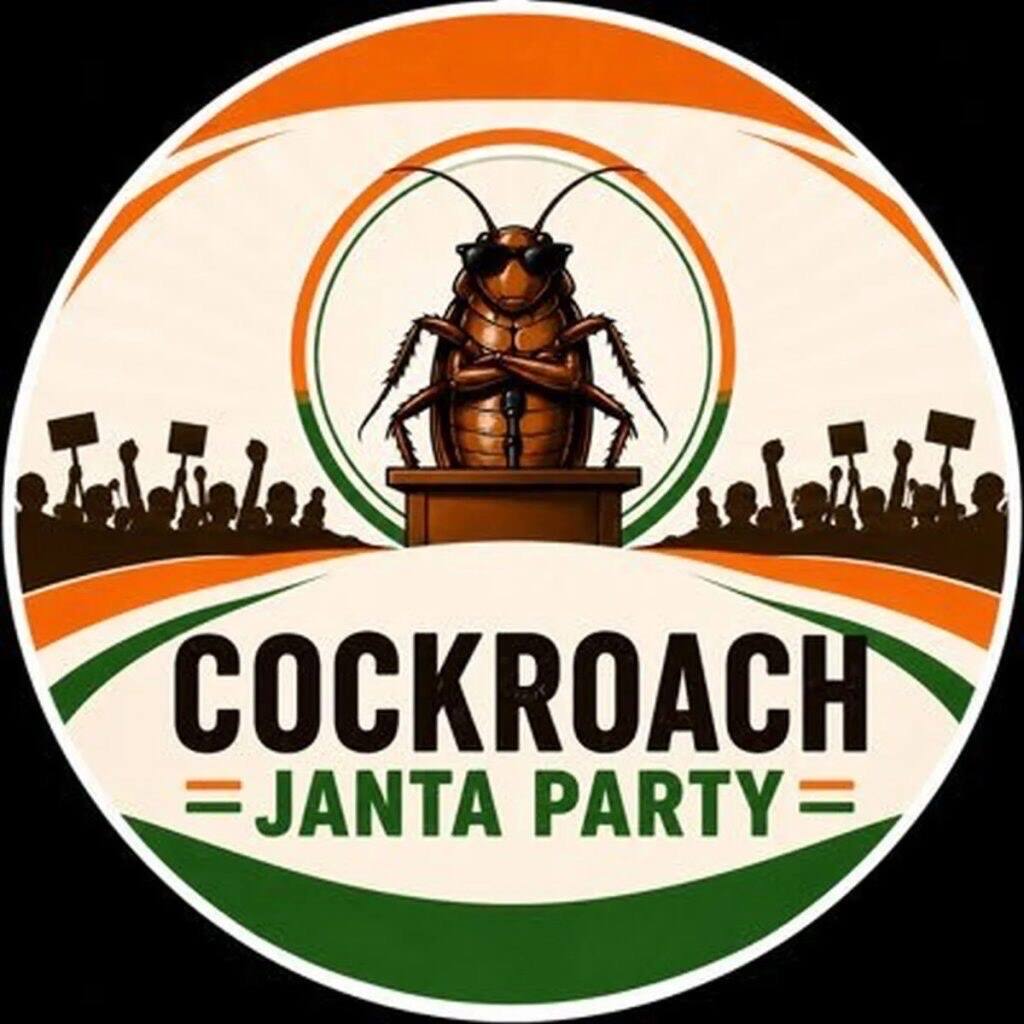
DW: Modi's Instagram Reels Fail to Bridge Gen Z Gap After CJP Protests
Deutsche Welle analysis finds Modi's midnight Instagram reels fell flat with Gen Z after CJP protests forced education minister's resignation, exposing a structural disconnect.
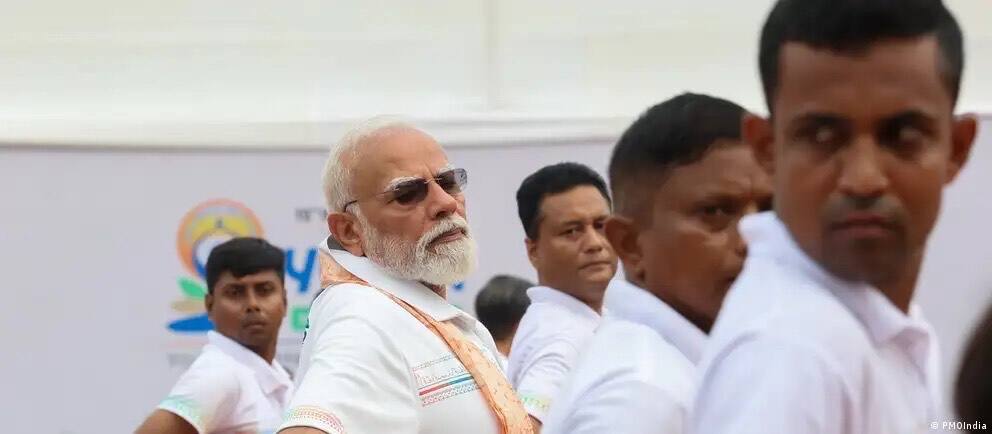
Prime Minister Narendra Modi's Instagram feed went dark at midnight on 26 July. When the screen lit up, a selfie video appeared — the prime minister, phone in hand, speaking directly to the camera about the "pain" of students whose medical entrance exam had been leaked. Five more reels followed over the next week. Each one better lit, better framed. Each one, according to Deutsche Welle's analysis published 3 August, met the same response: a wall of mockery.
"We ain't friends," read the top comment under the first reel. The phrase, repeated thousands of times, captured the mood that has settled over India's political conversation since the Cockroach Janta Party (CJP) forced Education Minister Dharmendra Pradhan's resignation on 25 July. The protests, sparked by the NEET-UG paper leak that affected 2.2 million aspirants, brought tens of thousands to Jantar Mantar in July. They ended with a minister's exit — but they also exposed a fracture between the ruling Bharatiya Janata Party and the generation that will inherit India's electorate.
What we can verify
- Modi's Instagram campaign: DW confirms Modi posted six reels between 26 July and 1 August 2026 addressing the NEET crisis and student protests. The first, a selfie video at midnight on 26 July, acknowledged student suffering and promised remedial steps. Subsequent reels showed improved production values — varied backgrounds, better lighting, the prime minister starting and ending videos himself "like a one-man content creator," as DW's Mahima Kapoor described it.
- Public response: DW reports the response remained "tepid." The top comment on the first reel — "We ain't friends" — was echoed across thousands of replies. Memes and parody videos treating the prime minister's outreach as content became a new wave of protest expression.
- CJP protests forced Pradhan's resignation: The Cockroach Janta Party, founded by Boston University graduate Abhijeet Dipke, led a sit-in at Jantar Mantar from early June. After police used pellet guns on protesters on 20 July (confirmed by BBC and CRPF internal probe), pressure mounted. Pradhan resigned on 25 July. The government agreed to compensate families of students who died by suicide and to withdraw FIRs against protesters.
- Structural youth disconnect: DW cites Shipra Baduni, CEO of Young Leaders for Active Citizenship, noting the average age of MPs elected in 2024 reached a record 56 years. Baduni told DW that student politics — historically a pulse-check and leadership pipeline — has been systematically marginalised over the past decade with "a very evident push to say that students should only study, and there is no need for students to engage in politics."
- Social media crackdown: Baduni told DW that young people criticising the government on social media face crackdowns, and workplaces screen social media profiles. DW reached out to BJP's youth leader for New Delhi and the party's national spokesperson; neither responded.
- Gen Z's ironic humour as political language: Political scientist Amit Julka told DW the BJP "does not understand expression of anger through ironic humor/memes, because their strategy was focused on the WhatsApp generation." Julka added that even a deliberate BJP attempt to "crack the Gen Z code" would produce "fundamentally inorganic" results.
- International corroboration: TIME's Asim Ali (1 August) wrote that the protests "humbled Modi" and rewrote the political grammar available to Indian youth. The Guardian (30 July) documented how CJP's decentralised memes, video remixes, and street performance art replaced traditional political manifestos as mobilisation tools.
What remains unverified
- Whether Modi's reels moved any measurable opinion metric: DW describes the response as "tepid" based on visible comments and meme volume. No independent polling or sentiment analysis has been published. The "We ain't friends" comment's prominence reflects algorithmic amplification as much as organic consensus.
- Internal BJP deliberations on youth outreach: DW's outreach to BJP youth leadership received no response. Any strategic shift inside the party toward Gen Z engagement remains [unverified].
- Long-term electoral impact: The 2024 election saw the BJP lose its parliamentary majority, relying on allies to form government. Whether the Gen Z disconnect accelerates, stabilises, or reverses before the next national election is [unverified].
- Exact scale of social-media screening in workplaces: Baduni's claim that "offices are screening your social media" is anecdotal. No systematic study has been cited.
A grammar the establishment cannot speak
The DW piece captures a moment that is less about a single exam leak than about who gets to speak in India's public square — and how. The CJP did not issue a manifesto. It posted memes. It did not hold press conferences; it livestreamed community kitchens at Jantar Mantar. When the prime minister finally picked up his phone to speak "as a friend," the reply came in the same grammar: irony, ridicule, refusal.
"This is the biggest political crisis he has faced in his third term so far," Kapoor writes. The crisis is not that students protested — it is that the state's habitual vocabulary of authority, outreach, and control no longer parses. The reels were an attempt to debug a conversation that had already moved to a different protocol.
For the families in Ahmedabad and Jhunjhunu who lost children to the NEET fallout, and for the volunteers who ran the Jantar Mantar kitchen for 35 days, the question is not whether the prime minister's lighting improves. It is whether the system that produced the leak, the crackdown, and the silence can produce accountability. The reels, so far, have not answered that question.
As one protester told the Guardian in July: "We are not waiting for permission to speak. We are speaking. The problem is they don't understand the language."
Sources cited
CJP policy: every fact in this article is traceable to a public source. We never publish what we cannot verify.
- ›Deutsche Welle — Can PM Modi reconnect with India's Gen Z? — https://www.dw.com/en/can-pm-modi-reconnect-with-india-s-gen-z/a-78216627
- ›TIME — Revolt of the Cockroaches: How India's Gen Z Humbled Modi — https://time.com/article/2026/08/01/cockroaches-protests-gen-z-india-delhi-narendra-modi-prime-minister/
- ›The Guardian — India's Gen Z protests: Cockroach memes, satire and the battle for political language — https://www.theguardian.com/culture/2026/jul/30/india-gen-z-protests-cockroach-memes-modi
Got a tip on this story? Our newsroom follows up on every lead. Reach us via the submission page.