Conversation: CJP Satire Forced Change; Reform Still Harder
Susan Ann Samuel traces six-word Dipke tweet to Pradhan exit and Gen Z wave; Craig Jeffrey says minister gone but jobs-education structure still broken.
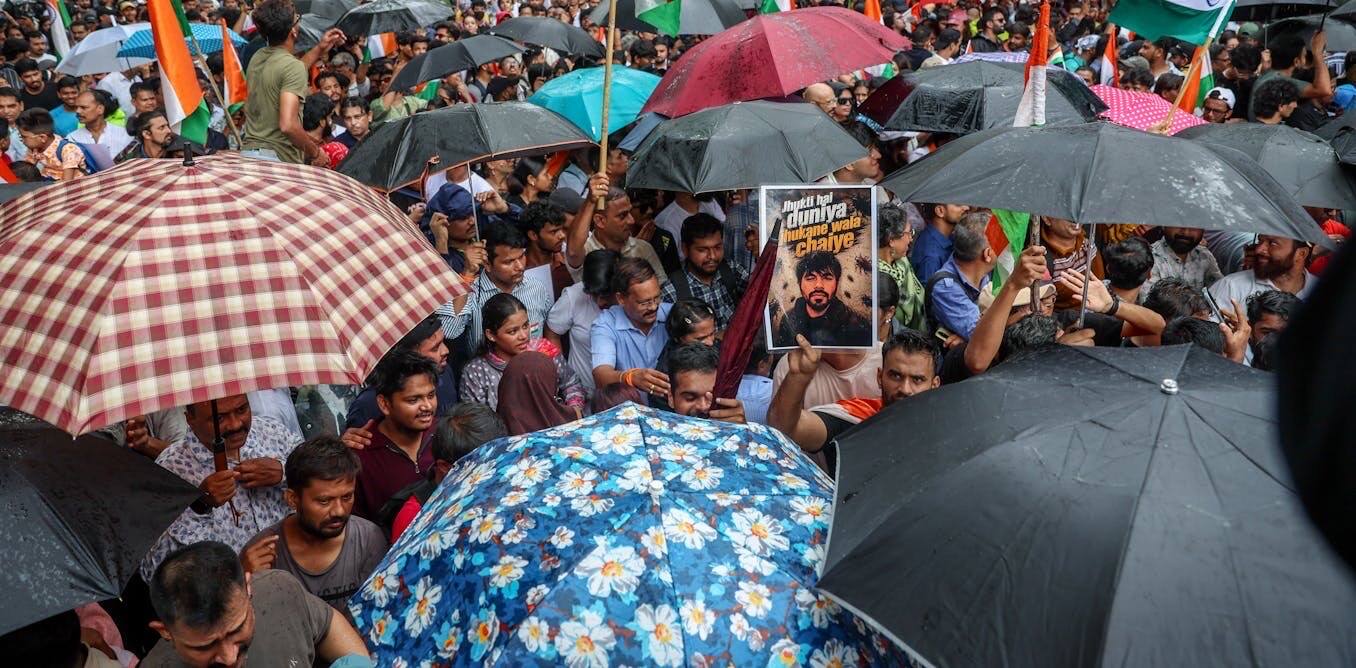
MELBOURNE / DELHI — Two Conversation essays — one field report from Jantar Mantar, one long-view jobs brief — treat Cockroach Janta Party as satire that forced a cabinet exit, then warn the harder work is still structural.
Samuel: six words, three demands, no regime-change ask
Susan Ann Samuel's 7 August piece opens calm Jantar Mantar, 28 July — riot vans still there, tea stalls open, Pradhan already gone. Her line after street talk: six words flipped India's political air — "What if all cockroaches come together?"
Those words, she writes, went up 16 May from Abhijeet Dipke, 30, political-comms strategist at Boston University, answering Chief Justice Surya Kant from the bench. Kant, criticising social-media attacks on courts, said youngsters "like cockroaches" lack jobs and place in professions, then become media, RTI or other activists and "start attacking everyone." He later said he meant fake degree holders. Remark still read as slur on jobless youth.
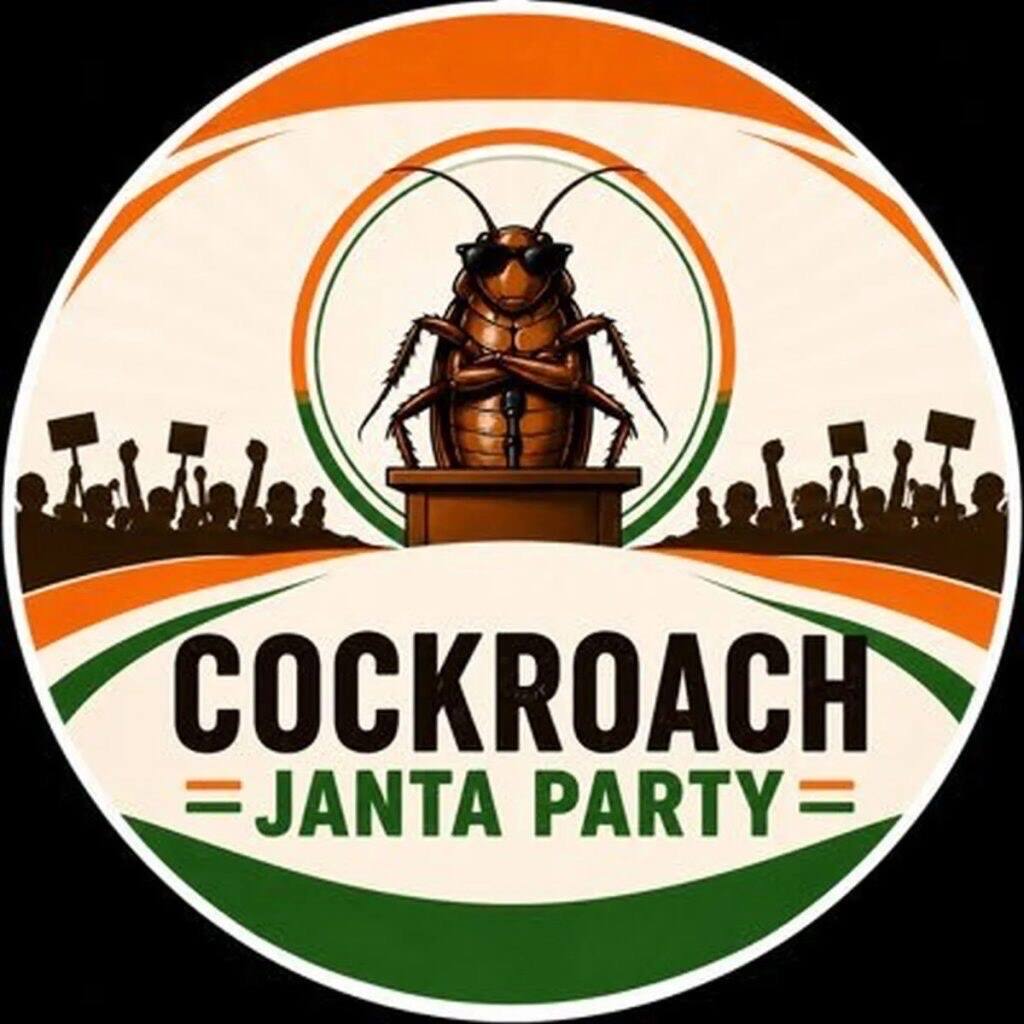
Dipke stood up Cockroach Janta Party site as satire. Within a fortnight, Samuel reports, 22 million followed. He landed Delhi 6 June, held up Ambedkar's autobiography, demanded education minister quit.
Trigger: 12 May cancel of medical entrance sat by 2.28 million after National Testing Agency said paper very like the exam leaked online. Samuel cites reports at least 21 students took their lives after cancel. Sonam Wangchuk joined hunger strike; 18 July — day 20, 10 kg down — police moved him to hospital. Outrage followed. 20 July mass march; Jantar Mantar focus; parliament approach drew more than 50,000. Peaceful march met tear gas, batons, pellet guns, she writes.
Three demands: Pradhan out; compensation for families of students who died over cancel; drop charges on protesters plus apology for crackdown. Pradhan resigned. Government agreed other two. Protest called off 25 July.
CJP bills itself "voice of the lazy and unemployed." Scale says otherwise. Samuel tags satire-as-meme a scholars' "medium of value" — new identity, not just joke. Wider manifesto she lists: judicial reform, electoral integrity, more women in representation, break media monopolies.
Modi answer, per Samuel: youth video messages, expert taskforce, fast-track courts; 29 July Parliament bill with stricter leak penalties. 3 August Supreme Court said Delhi and states may withdraw FIRs on protesters except serious cases, and would frame pellet-gun protocol.
She places CJP after year-plus Gen Z shocks — Sri Lanka, Nepal, Bangladesh, Madagascar, Morocco, Kenya, Indonesia, Peru, Mexico, Philippines. Local triggers differed; shared message: rights, anti-corruption, listen. Several governments fell. India's cockroaches, she stresses, did not seek regime change — marched for accountability inside the system, largely won through democratic machinery. Not only Gen Z: parents, grandparents joined. Movement showed satire can force change without toppling the state.
Jeffrey: minister down, structure not
Craig Jeffrey (27 July), Timepass author, opens same arc — leak cancel, suicides, cockroach symbol from CJI remark, humour central — then: Pradhan exit is biggest win since start, but only so much. Problems did not appear overnight.
Northern India education rot and joblessness, he writes, run since early 1970s. Late-20th-century growth skipped broad education investment and private-sector jobs; youth stuck chasing scarce government posts. Late-1990s Meerut: thousands of graduates per single government job; street-corner "timepass"; one club named "Generation Nowhere." Fieldwork Uttar Pradesh 2004: students satirically claimed a "democratic right to cheat" — same complaint as CJP core, leaked papers and a system that cheats first. One quip: "Why shouldn't we cheat, when the system is cheating us?" Jobs via "source" and "force."
Today's cohort, citing Avishek Jha and Nilanjana Sen (Melbourne), less "timepass," more grind for government exams — coaching boom, same thin job pool. Frustration: effort that does not buy a better life.
Priorities Jeffrey lists after main demands met:
- Decentralise exam management; regulate tuition/coaching marketing (Manisha Priyam on Bihar: wider than paper leaks).
- Job creation — work-integrated learning, skills for private and public work, start-up room.
- Spend — 1960s commission wanted 6% GDP on education; now about 4.1%. Spend smart: curriculum, staff, tech and infrastructure.
- Respect youth as collaborators, not pests — seat at reform table; focus mainstream public schools, not only elites. Build on National Education Policy; look at peers such as Brazil.
Bottom line both pieces share: satire forced a blink. Jeffrey's closer — real reform needs youth at the table, not another slogan cycle.
Digest only. Quotes and figures as published by The Conversation; no independent verification of casualty or follower counts beyond those pages.
Sources cited
CJP policy: every fact in this article is traceable to a public source. We never publish what we cannot verify.
- ›The Conversation: India's cockroach movement — how satire became political power as youth protest forced change (Susan Ann Samuel, 7 Aug 2026) — https://theconversation.com/indias-cockroach-movement-how-satire-became-political-power-as-youth-protest-forced-change-288855
- ›The Conversation: India's cockroach movement brought down a minister. Bringing real reform will be much harder (Craig Jeffrey, 27 Jul 2026) — https://theconversation.com/indias-cockroach-movement-brought-down-a-minister-bringing-real-reform-will-be-much-harder-288275
Got a tip on this story? Our newsroom follows up on every lead. Reach us via the submission page.