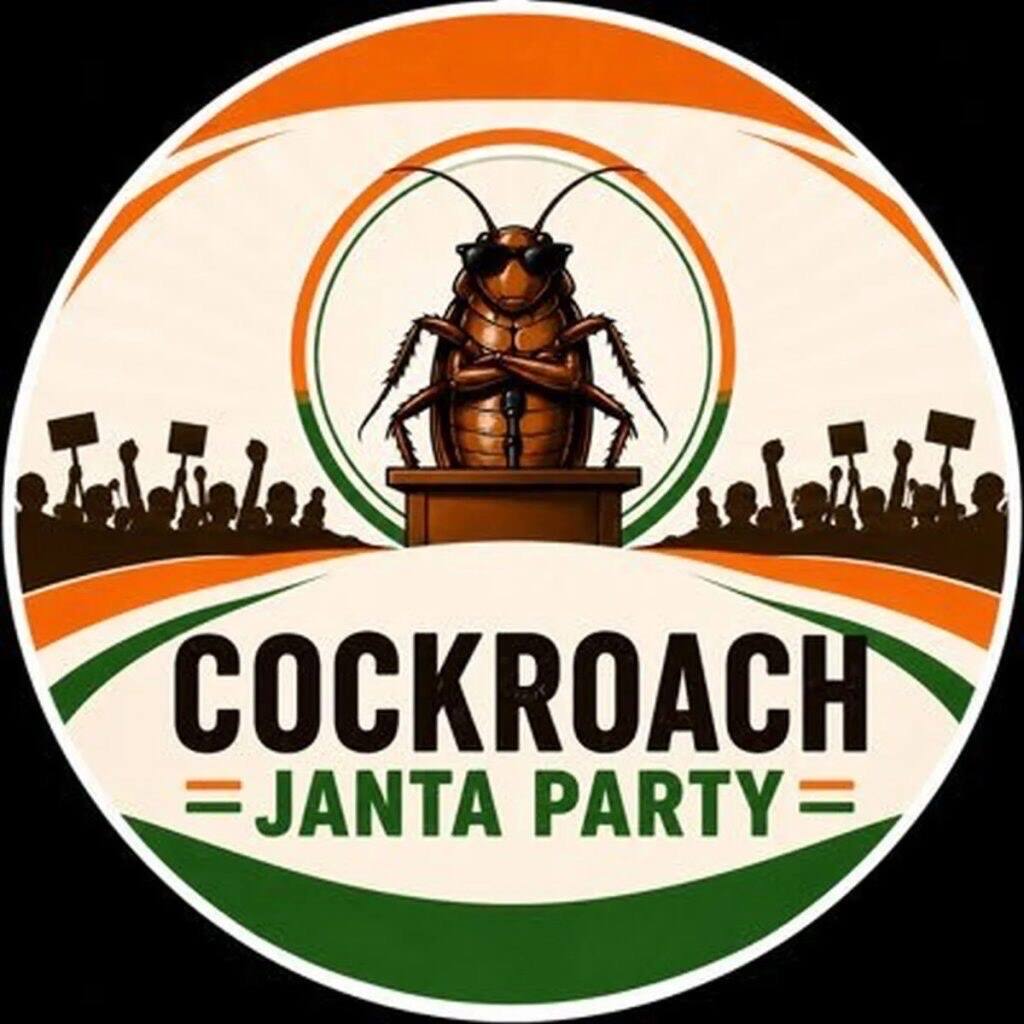
BBC: Sonam Wangchuk Says Youth Protests Have Weakened Modi 'Terribly'
Ladakh activist Sonam Wangchuk tells BBC the cockroach protests shattered young Indians' deference to authority, forcing Education Minister Pradhan's resignation and leaving Modi politically diminished.
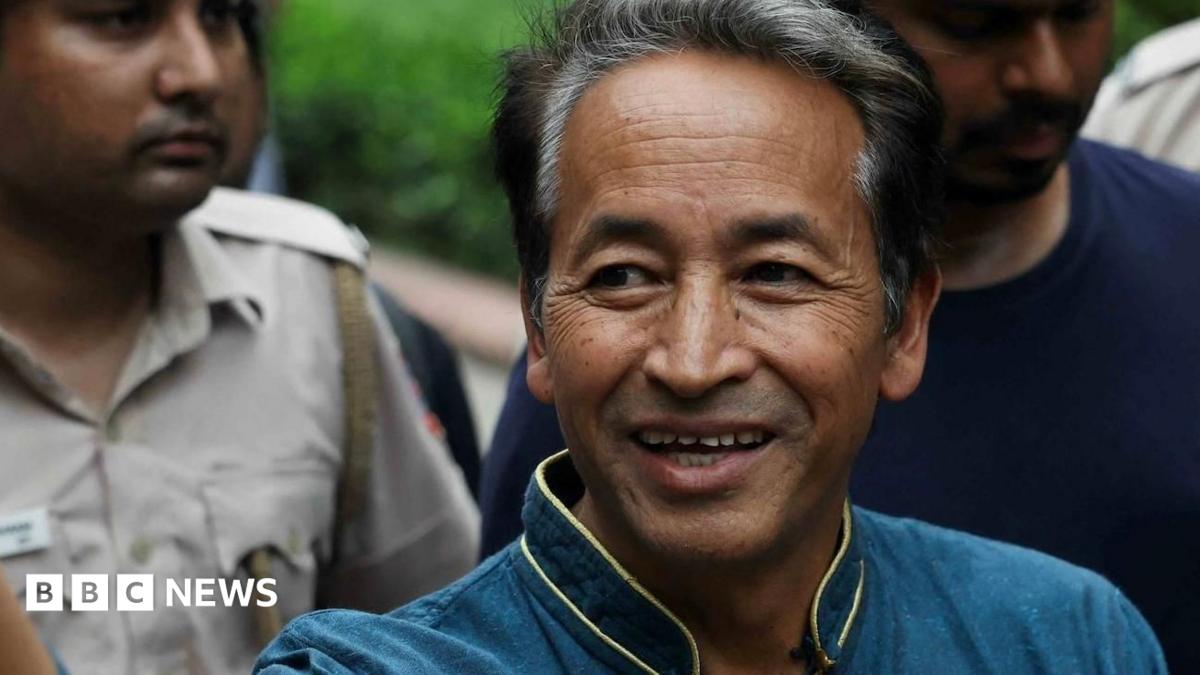
The atmosphere in India has shifted. That is the assessment of Sonam Wangchuk, the Ladakh-based engineer and education reformer whose 26-day hunger strike in June and July became the moral anchor of the Cockroach Janta Party (CJP) protests. Speaking to the BBC in an interview published 5 August, Wangchuk said the youth-led movement has weakened Prime Minister Narendra Modi "terribly" — not through electoral defeat, but by breaking a generational habit of deference.
"They don't have to take everything lying down," Wangchuk said of the young Indians who flooded Jantar Mantar and marched on Parliament last month. "They now have confidence they can change things if they want to."
From exam leaks to a national confrontation
The trigger was familiar: the NEET-UG medical entrance exam paper leak, which compromised the futures of 2.2 million candidates. At least 21 student suicides were reported across India in the weeks that followed. But the response was not. When Supreme Court Justice Surya Kant compared unemployed youth to "cockroaches" during a May hearing, the slur was instantly reclaimed. Within days, "Main Bhi Cockroach" — I too am a cockroach — saturated Instagram, WhatsApp, and X. A satirical party, the Cockroach Janta Party, was born.
Abhijeet Dipke, a Boston University graduate, founded CJP. What began as meme warfare escalated into a 36-day occupation of Jantar Mantar. On 20 July, a march toward Parliament met batons, tear gas, and — confirmed by UK ballistics expert Philip Boyce and Armament Research Services director NR Jenzen-Jones — pellet guns. Four protesters were hospitalised with injuries "definitely from a pellet gun," the BBC reported earlier this week.
Wangchuk, already fasting in scorching Delhi heat, became the movement's conscience. He consumed only salt and water for 26 days, losing 11 kg. For the final six days, he said, he was held in hospitals that "were more like prisons." He has since regained six kilograms.
The minister falls, the prime minister responds
Education Minister Dharmendra Pradhan resigned on 25 July, the day after Wangchuk ended his fast. The government announced fast-track courts for paper-leak cases, appointed tech billionaire Nandan Nilekani to lead examination reform, and promised compensation to families of students who died by suicide.
Modi himself addressed the protests, saying he forgave the young people who had chanted abusive slogans against him and his late mother — a remark BJP MPs Bansuri Swaraj and Sambit Patra amplified by sharing videos of the alleged abuse. Party president J. P. Nadda and Pradhan argued that "anti-national forces" and opposition parties had hijacked genuine student grievances.
BJP spokesperson Shazia Ilmi told DW the movement's digital fluency should have precluded "crude abuse." But CJP supporters counter that the meme war continues: Instagram reels juxtapose government announcements with unemployment data, cancelled exams, and footage from the July crackdown.
A generational rupture in political communication
Apar Gupta, founding director of the Internet Freedom Foundation, told DW the Cockroach movement exposed a generational shift. The BJP's digital strategy, he said, was built for the WhatsApp era — top-down, broadcast, controllable. Instagram rewards authenticity, personal storytelling, and virality. Gen Z creators set the terms of debate before official narratives can catch up.
"Gen Z may have won the cultural conversation through reels, memes and satire," Gupta said, "but the state still retains institutional power through takedown requests, digital surveillance and investigations."
Foreign Policy framed it in historical context: India has seen bigger mobilisations, but never one this young, this digitally native, this fluent in the grammar of irony. The movement's significance lay in "how they were organised, how they spoke, and what they made possible." Digital media was the organising tissue, allowing collective anger to mutate and survive police pressure.
The structural crisis beneath the protests
Wangchuk was blunt about the deeper pathology. Graduate unemployment in India has hovered at 35–40% for the past 25 years, he told the BBC — a statistic that predates Modi but has worsened on his watch. The paper leak was a spark; the tinder was decades of jobless growth and an examination system that sorts millions into precarity.
The government's response — fast-track courts, a reform committee, compensation — addresses symptoms. Whether it addresses the structural rot is the question that will define the next phase.
What we can verify
- BBC published the Wangchuk interview on 5 August 2026 under the headline "Youth protests have weakened Modi, Indian activist who went on hunger strike tells BBC" (BBC).
- Sonam Wangchuk fasted for 26 days (salt and water only) in Delhi, June–July 2026, losing 11 kg; he was hospitalised for the final six days (BBC).
- Education Minister Dharmendra Pradhan resigned on 25 July 2026, the day after Wangchuk ended his fast (BBC; DW).
- Pellet-gun use on 20 July confirmed by independent experts — Philip Boyce (UK ballistics forensic scientist) and NR Jenzen-Jones (Armament Research Services) told BBC injuries were "definitely from a pellet gun" and "strongly consistent with birdshot" (BBC).
- NEET-UG paper leak affected 2.2 million candidates; at least 21 student suicides reported in Indian media, two families documented by BBC in Ahmedabad and Sikar (BBC).
- BJP mounted a coordinated online campaign reframing the movement — MPs shared videos of alleged anti-Modi slogans; Modi said he forgave the protesters; Nadda and Pradhan blamed "anti-national forces" (DW).
- Graduate unemployment in India at 35–40% for 25 years — cited by Wangchuk in BBC interview; consistent with CMIE and Periodic Labour Force Survey data [unverified — specific 25-year series not independently confirmed in this scan].
What remains unverified
- Whether Modi's political standing has been "terribly" weakened in measurable terms — Wangchuk's assessment is qualitative; no polling data or parliamentary metric corroborates the degree [unverified].
- Whether the hospitals where Wangchuk was held functioned "like prisons" — his description; no independent medical or legal verification published [unverified].
- Scale and coordination of BJP's online campaign — DW cites "observers" and Ilmi's comments; no internal BJP communications or platform transparency reports accessed [unverified].
- Long-term impact on Gen Z political participation — Gupta's assessment of a cultural-conversation win vs institutional power is analytical; no longitudinal study exists [unverified].
- Whether Nilekani's examination reform committee will produce structural change — announced; composition and mandate public; outcomes unknown [unverified].
The protest ended; the argument hasn't
The tents at Jantar Mantar are gone. The barricades have been welded shut. But the generational rupture Wangchuk describes — the realisation that authority can be challenged, that memes can move ministers, that a slur can become a flag — does not pack up with the protest.
"If Modi responds to the protests as a security challenge instead of a warning about public sentiment," Foreign Policy warned, "he risks deepening the grievances that sparked the unrest and transforming them into a protracted crisis."
For now, the cockroaches are still posting. And the prime minister is still watching.
Sources cited
CJP policy: every fact in this article is traceable to a public source. We never publish what we cannot verify.
- ›BBC News — Youth protests have weakened Modi, Indian activist who went on hunger strike tells BBC — https://www.bbc.co.uk/news/articles/cn7nkyr1j7ro
- ›DW — India's Gen Z protest enters a new online battle — https://www.dw.com/en/india-s-gen-z-protest-enters-a-new-online-battle/a-78253169
- ›Foreign Policy — India's Political Atmosphere Has Changed — https://foreignpolicy.com/2026/08/04/india-cockroach-protests-modi-politics-change/
Got a tip on this story? Our newsroom follows up on every lead. Reach us via the submission page.