BBC: India's Gen Z Protesters Say 'This Is Just the Start' After Minister Quit
BBC deep-dive finds Gen Z protesters frame education minister's exit as opening act, citing 16.2% youth unemployment and viral police harassment reels.
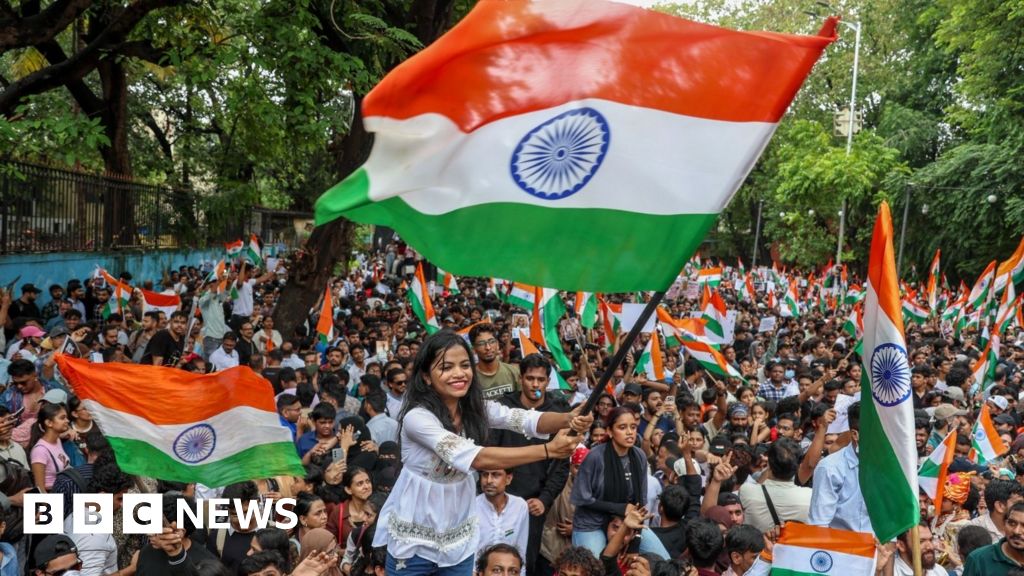
London desks spent Monday asking the same question Indian students already shouted at Jantar Mantar: what happens after a cabinet scalp?
The BBC's 27 July dispatch — "'This is just the start': India's Gen Z protesters force out a minister, but what next?" — goes beyond the resignation headline and into the bedrooms, police vans, and Instagram reels of the young people who made it happen. Reporting by Abhik Deb from Delhi, the piece builds on personal testimony from five Gen Z activists and fresh government data to argue that Dharmendra Pradhan's exit is a symptom, not the cause, of a deeper economic rupture.
What the BBC documents
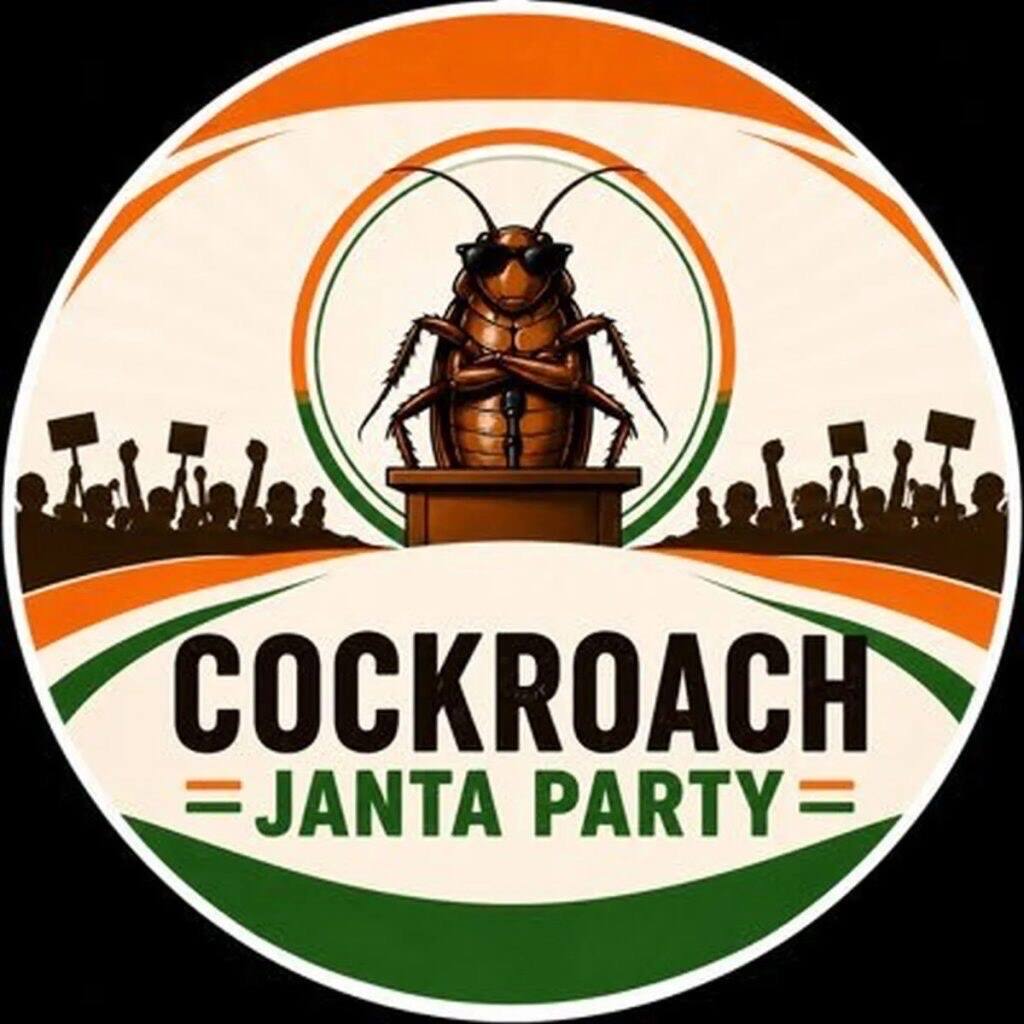
The article opens with a number that reframes the whole story: in twelve years of Narendra Modi's rule, only one cabinet minister had previously resigned — over allegations of sexual misconduct. Pradhan's departure on Saturday, after more than a week of nationwide street protests led by the satirical Cockroach Janta Party (CJP), is therefore treated as a defining moment, one many young people celebrated as a rare victory.
But the BBC's reporting makes clear the victory feels provisional to the protesters themselves. "For the first time, it felt like we can make things happen through protests," 22-year-old student activist Sakhi told the BBC. She grew up reading textbooks that spoke about the importance of dissent in democracy, "but I did not see that around me in the Modi years."
Sakhi's insight into platform dynamics is striking: the government, she says, "has a hold on mainstream media, Facebook and WhatsApp. But it missed Instagram." That gap allowed videos of police baton charges, tear gas, and pellet guns to spread rapidly online, fuelling public anger instead of suppressing it.
The economic substrate
The BBC connects the exam-leak spark to a structural tinderbox. Government data released in June shows unemployment among 15- to 29-year-olds rose to 16.2%, up from 13.8% a year earlier. A 2026 Azim Premji University study found fewer than 7% of jobseekers secured permanent salaried work within a year, and fewer than 4% landed white-collar jobs.
Somaya Korde, a 26-year-old law graduate from a community officially classified as "backward," was detained at home after urging people online to join the 20 July protest in Mumbai. She went on to attend multiple demonstrations. "Schools and colleges are being privatised, paper leaks are happening, even if you finish education, there are not enough jobs. In a democracy, all this raises questions of accountability against the government," she said.
Harshvardhan Kadam, 18, took a part-time job selling laptops after finishing school to support his mother following his father's death. On 23 July, an Instagram reel he filmed during a Mumbai protest march went viral — 10 million views — showing a policeman threatening to frame him in a fake drugs case while detaining him in a police van. The constable has since been suspended. "I did not wish him to be suspended," Kadam told the BBC. "I just wanted to document how the police were treating me for participating in a peaceful protest."
Varuni Poorva, a 30-year-old aspiring professor from Patna and a student activist for nearly a decade, says Pradhan's resignation shows the Modi government can be "brought to its knees." But she fears a "witch hunt" against protesters despite the government's pledge not to act against organisers. Over the past week she has sought anticipatory bail to guard against possible arrest. Police have charged more than 100 protesters with offences including attempted murder, and arrested more than 40. Human Rights Watch tells the BBC that under Modi, Indian authorities have "routinely prosecuted activists, journalists, and peaceful protesters on fabricated counterterrorism and hate speech laws."
How other international desks line up
NBC News, reporting from New Delhi on 25-26 July, confirms the core sequence: Pradhan's X announcement, celebrations at Jantar Mantar and regional hubs (Mumbai, Hyderabad, Bengaluru, Ahmedabad), and a joint press conference where ministers JP Nadda and Jitendra Singh agreed to drop police cases and compensate families of students who died by suicide amid exam-leak anxieties. NBC quotes CJP's X post: "Cockroaches won. Democracy won!"
NPR's 25 July report cites Milan Vaishnav of the Carnegie Endowment for International Peace, who observed that the government's standard playbook — vilifying protest leaders or framing them as external agitators — failed to dent the movement's credibility. "The pressure was mounting… this was their way of trying to cut their losses," Vaishnav told NPR.
Across the three desks, the verified spine holds: multi-week student-led protests triggered by NEET-UG paper leaks, Pradhan's resignation, organisers easing the continuous sit-in, and unfinished demands on exam governance, police accountability, and the broader economic anxiety that brought Gen Z to the streets.
What we can verify
- The BBC published "'This is just the start': India's Gen Z protesters force out a minister, but what next?" on 27 July 2026, with first-person testimonies from five Gen Z activists (Sakhi, Somaya Korde, Harshvardhan Kadam, Swaraj Priyo, Varuni Poorva), government youth-unemployment data (16.2% in June 2026 vs 13.8% a year earlier), and the Azim Premji University job-placement study (<7% permanent salaried work within a year) (BBC).
- NBC News reported on 25-26 July that Pradhan resigned via X, ministers Nadda and Singh agreed to drop cases and compensate bereaved families, and CJP declared victory (NBC News).
- NPR reported on 25 July that Pradhan resigned, citing analyst assessments that standard political pushback failed to dissolve student unity (NPR).
- All three outlets treat Pradhan's exit as forced by youth pressure tied to the exam-leak crisis and the Jantar Mantar occupation, not as a routine reshuffle.
What remains unverified
- Nationwide peak headcounts stay [unverified]; outlets use "thousands," "tens of thousands," or qualitative peak language without a single audited tally.
- Claims that more than 20 suicides were caused solely by the paper leak are reported as public blame in the BBC's framing; individual case causation is [unverified] here without coroner or court findings cited.
- Formal timelines for execution of compensation payments and complete expungement of police FIRs outside Delhi remain [unverified] pending state-by-state administrative releases.
- Whether the government will pursue a "witch hunt" against organisers — as Varuni Poorva fears — remains [unverified] pending further police action or court orders.
For readers outside India, the foreign story has moved. It is no longer only "will a minister fall?" The BBC's answer is sharper: the cockroaches already forced one exit — and the economic anger that sent them to the streets is far from resolved.
Sources cited
CJP policy: every fact in this article is traceable to a public source. We never publish what we cannot verify.
- ›BBC News — 'This is just the start': India's Gen Z protesters force out a minister, but what next? — https://www.bbc.com/news/articles/c8dng1v72lno
- ›NBC News — 'Cockroaches won': India's youth protest leaders declare victory as minister resigns — https://www.nbcnews.com/world/india/india-education-minister-resigns-escalating-cockroach-protests-challen-rcna589188
- ›NPR — India's 'cockroach' movement ousts minister, but can Modi calm youth? — https://www.npr.org/2026/07/25/g-s1-135483/india-cockroach-movement
Got a tip on this story? Our newsroom follows up on every lead. Reach us via the submission page.