ACLED Maps 400+ CJP Protests Across India in One Week
ACLED data and a Guardian Monday briefing map Cockroach Janta Party unrest in every Indian state after Pradhan quit, calling it a rare Modi-era climbdown.
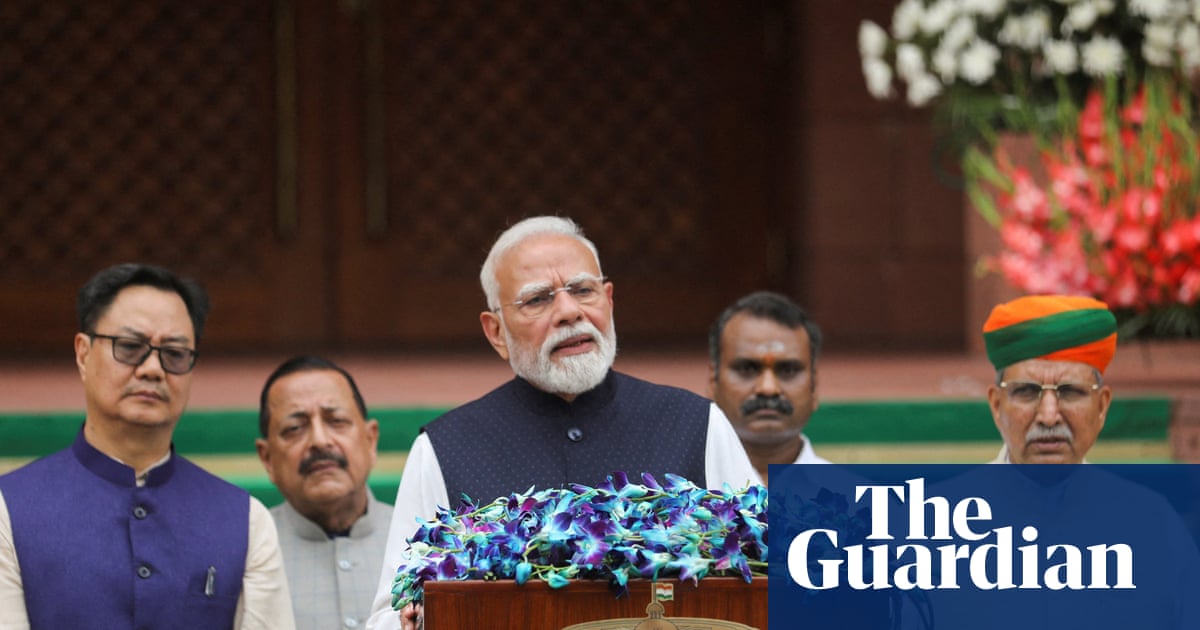
Conflict monitors and London newsletters spent Monday putting numbers and politics under the same headline: the Cockroach Janta Party (CJP) did not win only a Delhi sit-in. It forced a cabinet exit after a nationwide surge of youth protest that foreign desks now treat as a stress test for Prime Minister Narendra Modi's third term.
ACLED, the Armed Conflict Location & Event Data Project, published a 27 July expert comment by South Asia senior analyst Pearl Pandya that turns the Jantar Mantar story into a map. The Guardian's Monday briefing, built around correspondent Hannah Ellis-Petersen's Delhi reporting, walks the same arc from a Boston University meme to a Saturday resignation party — and asks whether one ministerial scalp closes the file.
What ACLED puts on the record
Pandya writes that on Saturday, India's Gen Z protest movement "achieved a major victory in the form of Education Minister Dharmendra Pradhan's resignation — only the second ministerial resignation due to public pressure in 12 years of Prime Minister Narendra Modi's government."
The data claim is the piece's spine. "In the last week alone," she says, "ACLED data show more than 400 protests across India organized by, and in solidarity with, the youth." Those events, ACLED reports, were recorded in each of India's 28 states and six of its eight union territories. The escalation, in ACLED's framing, followed the 20 July New Delhi crackdown — batons, tear gas and pellet guns — after which later rallies also condemned police force. Pandya adds that "the overwhelming majority of the protests across the country remained peaceful."
CJP, she notes, called off the continuous agitation after Pradhan quit. The longer forecast is political, not tactical: the "irreverence" of the protesters "has resolutely dented the atmosphere of fear and self-censorship around criticizing Modi," while opposition parties will try to carry that discontent into state polls next year and the 2029 general election. Pandya flags a ceiling too — education had "mass resonance," and the same scale of success "may not be as easily replicated again."
How The Guardian's Monday desk frames the same week
The Guardian's 27 July Monday briefing opens on Modi "trying to put out a very different kind of fire" as thousands pressed Pradhan's exit in Delhi and the sit-in flipped into celebration once he stepped down. The newsletter treats the summer "Cockroach" wave as larger than one portfolio: a humiliation for a BJP that had ruled for 12 years, and a case study in humour as political weapon — street mockery and online parody of the prime minister after "years of criminalising dissent."
Ellis-Petersen's on-the-ground thread, as summarised in the briefing, tracks origin points foreign readers can check against earlier Guardian and CJP reporting: Abhijeet Dipke's 16 May X post from Boston University ("What if all cockroaches come together?"), the 6 June arrival at Jantar Mantar, exam-leak anger after a medical entrance paper was compromised in May, and Sonam Wangchuk's hunger strike from late June until police removed him to hospital on 18 July. The briefing repeats the correspondent's line that she had "never seen so many people turning out" in her time covering India, and that after tear gas and batons on the parliament-march day the site still filled with campers, food runs and a wider demand set than one resignation.
A separate 26 July Guardian analysis already argued the win signals "trouble ahead for Modi." Monday's briefing is the newsletter-form follow-through: same resignation, same Jantar Mantar geography, now packaged for a global morning audience with the conflict-monitor map running in parallel.
What we can verify
- ACLED published Pearl Pandya's expert comment on 27 July 2026 stating Pradhan's exit was only the second ministerial resignation under public pressure in 12 years of Modi's government, and that ACLED recorded more than 400 youth-linked protests in one week across all 28 states and six of eight union territories (ACLED).
- ACLED attributes the late-July escalation partly to the 20 July New Delhi police action (batons, tear gas, pellet guns) and says the vast majority of nationwide protests stayed peaceful; CJP called off protests after the resignation (ACLED).
- The Guardian Monday briefing of 27 July 2026 recounts Pradhan's Saturday resignation under CJP pressure, Ellis-Petersen's Delhi reporting on turnout and police force, and the movement's path from Dipke's May meme through Wangchuk's hunger strike (The Guardian).
- The Guardian's 26 July analysis already framed the same resignation as a narrative setback for Modi after Gen Z seized streets and feeds (The Guardian).
- Core sequence shared by ACLED and The Guardian: multi-week student-led CJP agitation over exam integrity, 20 July Delhi crackdown, Pradhan resignation, continuous sit-in wound down.
What remains unverified
- ACLED's "more than 400" figure is the project's coded event count for the stated week; independent public release of the full event table was not reviewed here, so micro-counts per state stay [unverified] beyond ACLED's summary.
- Claims that "at least 12 students" died by suicide after the May medical-exam leak appear in The Guardian briefing as reported context; individual causation is [unverified] without coroner or court findings cited in these pieces.
- Whether opposition parties can convert post-resignation mood into 2027 state or 2029 national gains is analysis, not fact.
- Nationwide peak headcounts beyond qualitative "tens of thousands" language remain [unverified].
For foreign desks, Monday's story is no longer "will Pradhan fall?" ACLED's map says the fall already had a country-wide floor. The Guardian's newsletter asks the next question: after humour, hunger strikes and a rare climbdown, how far does the expectation of accountability travel once the stage at Jantar Mantar goes quiet.
Sources cited
CJP policy: every fact in this article is traceable to a public source. We never publish what we cannot verify.
- ›ACLED — How did the 'Cockroach Janta Party' take on Modi — and win? (Pearl Pandya) — https://acleddata.com/expert-comment/how-did-cockroach-janta-party-take-modi-and-win
- ›The Guardian — Monday briefing: How the Cockroach protests have exposed the cracks in India's government — https://www.theguardian.com/world/2026/jul/27/monday-briefing-how-the-cockroach-protests-have-exposed-the-cracks-in-indias-government
- ›The Guardian — India's Cockroach Janta party protest victory signals trouble ahead for Modi — https://www.theguardian.com/world/2026/jul/26/india-cockroach-protest-victory-signals-trouble-ahead-for-narendra-modi
Got a tip on this story? Our newsroom follows up on every lead. Reach us via the submission page.