Modi Government Countered CJP Movement With Stalled Truce, Media Scrutiny Shows
Independent analyses by Newslaundry and Al Jazeera detail how the Cockroach Janta Party forced historic cabinet exits while navigating government delays.
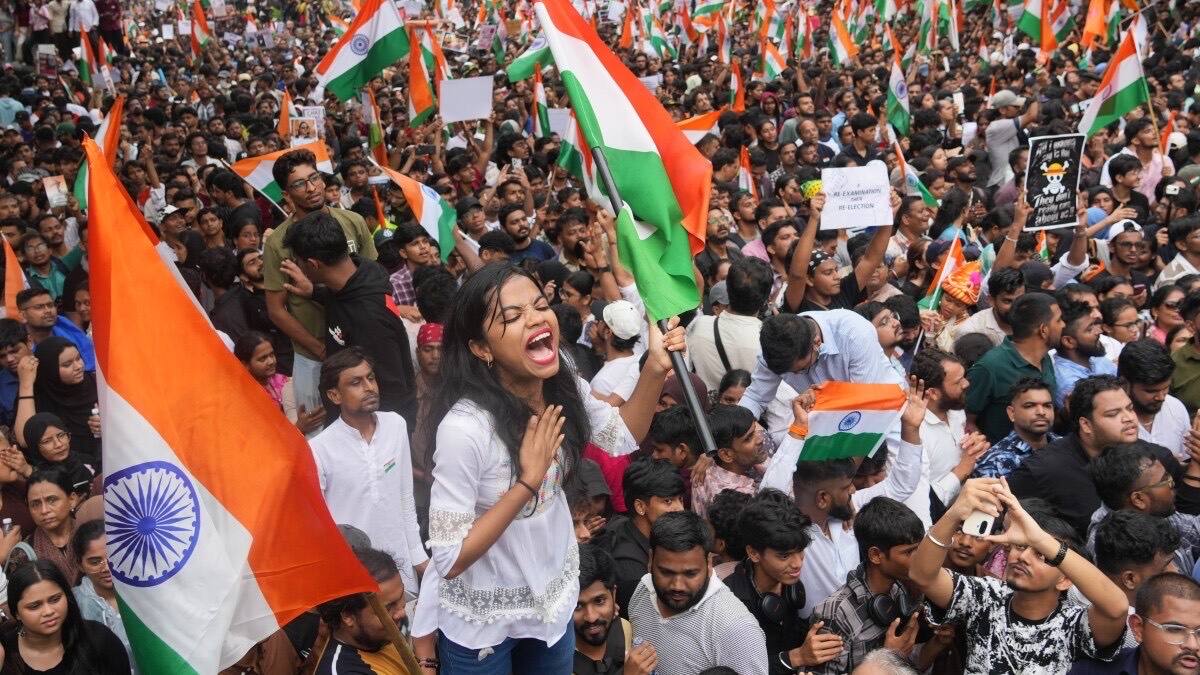
Independent news outlets dissecting the aftermath of the Cockroach Janta Party (CJP) demonstrations have identified a distinct pattern in the central government's tactical response: prolonged silence, administrative concessions, and eventual reliance on legislative momentum to contain political fallout.
In a detailed timeline published on 28 July 2026, Newslaundry highlighted that former Union Education Minister Dharmendra Pradhan's departure represents the first instance in Indian republican history where a cabinet minister resigned specifically over national public examination leaks. The outlet noted that the resignation was not triggered by early executive intervention, but resulted from compounding structural pressures—including sustained ground mobilization by CJP volunteers at Jantar Mantar and public fasts led by climate activist Sonam Wangchuk.
Dual Strategy of Concessions and Legal Containment
Reporting by Al Jazeera on 29 July 2026 outlined how state and central authorities managed the post-resignation transition. While Union ministers engaged in informal dialogue with CJP representatives near Jantar Mantar, law enforcement agencies simultaneously initiated digital monitoring, barricade reinforcements, and selective detentions in state capitals.
Al Jazeera reported that government communication shifted rapidly after the resignation. Official spokespersons emphasized the introduction of the Public Examinations (Prevention of Unfair Means) Amendment Bill in Parliament, framing legislative reform as the definitive remedy for exam irregularities while downplaying past administrative oversights.
Newslaundry's commentary pointed out that early attempts to attribute the protests to external political adversaries faltered due to the non-partisan, student-led nature of CJP's leadership. The convergence of Gen-Z digital satire, street sit-ins, and legal defense funds established by senior advocates narrowed the government's operational choices, forcing a retreat on cabinet appointments.
What we can verify
- Newslaundry published an analytical timeline on 28 July 2026 verifying that Dharmendra Pradhan's resignation over the NEET-UG paper leak crisis is unprecedented for a cabinet minister in Indian history (Newslaundry).
- Al Jazeera reported on 29 July 2026 that the central government's response involved a combination of legislative proposals, targeted police surveillance, and dialogue with student delegates (Al Jazeera).
- Both reports confirm that CJP's core demand structure extends beyond cabinet resignations to encompass formal withdrawal of all student FIRs and institutional reform at the National Testing Agency.
What remains unverified
- Internal cabinet deliberations leading directly to Pradhan's resignation decision remain [unverified] in public records, as official notifications did not specify internal advisory timelines.
- Consolidated counts of active surveillance cases against student organizers across multiple state police jurisdictions remain [unverified] pending official departmental disclosures.
Sources cited
CJP policy: every fact in this article is traceable to a public source. We never publish what we cannot verify.
- ›Newslaundry — Not the Cockroach Janta Party, not even Sonam Wangchuk: The Modi govt defeated itself — https://www.newslaundry.com/2026/07/28/not-the-cockroach-janta-party-not-even-sonam-wangchuk-the-modi-govt-defeated-itself
- ›Al Jazeera — How has the Indian government responded to 'Cockroach' protests? — https://www.aljazeera.com/news/2026/7/29/how-has-the-indian-government-responded-to-cockroach-protests
Got a tip on this story? Our newsroom follows up on every lead. Reach us via the submission page.