
Stone-pelting continued six days after CJP Parliament march
Security officials say CJP stone-pelting lasted till July 25; 244 police and 209 civilians logged as MLCs. Barricades, helmets, vehicles damaged across central Delhi.
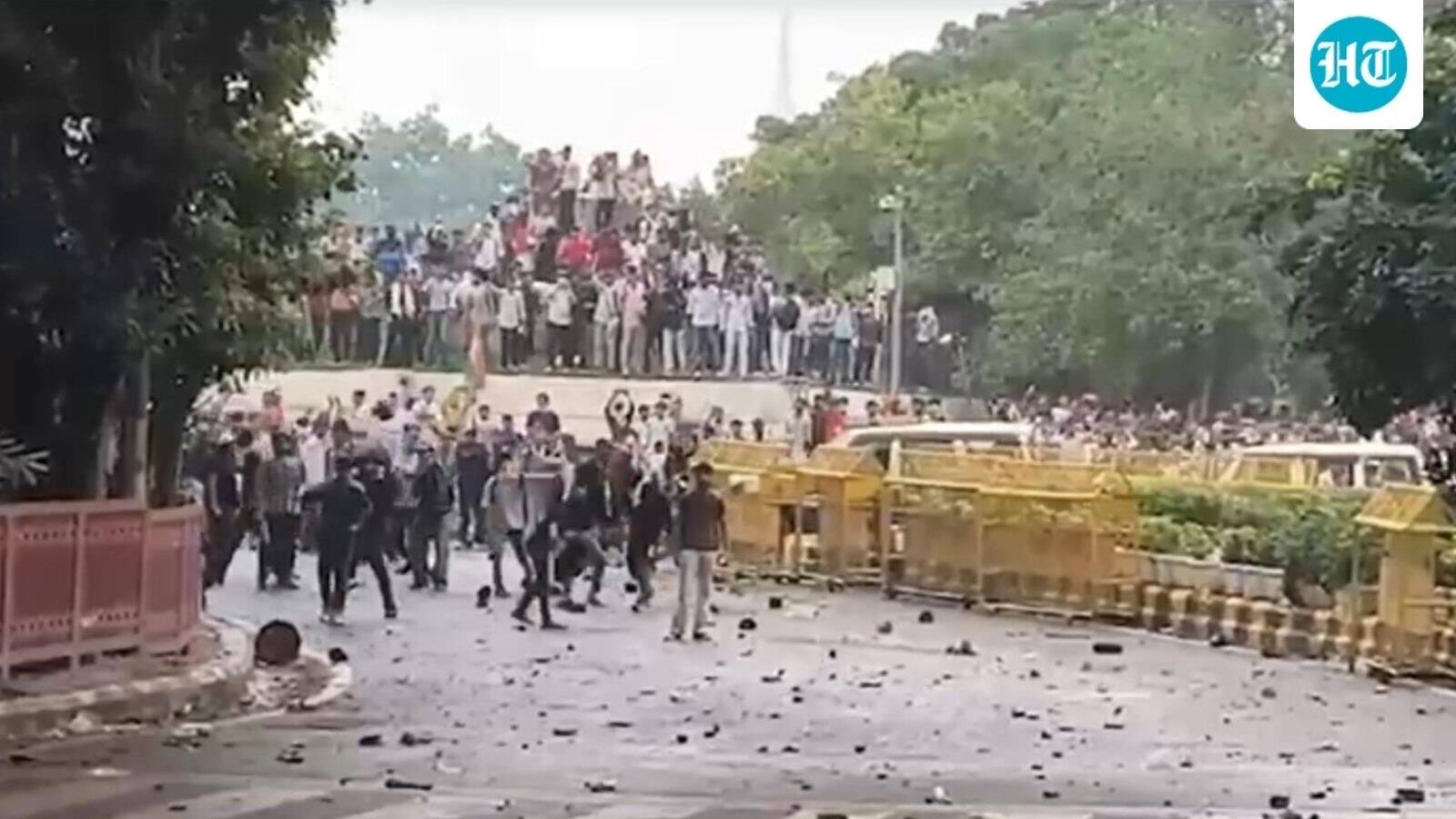
Stone-pelting by Cockroach Janta Party (CJP) protesters and political activists in central Delhi carried on for at least six days after the July 20 march towards Parliament, security officials said, revising the public timeline of the Jantar Mantar clashes.
An internal Delhi Police document accessed by Hindustan Times, and matched by News18 and Pragativadi, places continued stone-pelting through July 25 — the day CJP called off its sit-in after the Centre accepted key demands, including the resignation of then Union Education Minister Dharmendra Pradhan. The same record lists 244 police personnel and 209 civilians whose injuries were logged as Medico-Legal Cases (MLCs).
That police figure is well above earlier briefings that put injured officers above 130 around the "Sansad Chalo" march alone.
What we can verify
- Six-day stone-pelting window: Officials told Hindustan Times and News18 that stone-pelting continued after the Parliament march violence and lasted until July 25. They said police handled later incidents without further escalation given the sensitivity of the matter. — Hindustan Times; News18; Pragativadi
- MLC injury tally: 244 Delhi Police personnel and 209 civilians sustained injuries recorded as Medico-Legal Cases. All three outlets cite the same internal document. — Hindustan Times; News18; Pragativadi
- Flashpoints within ~2 km of Parliament: Gol Dak Khana; Tolstoy-Janpath Crossing (Restaurant Corridor and Parking); Rafi Marg barricade near Rail Bhawan (closest to Parliament); Jantar Mantar; Outer Circle near the LIC Building in Connaught Place; multiple points along the Tolstoy-Sansad Marg corridor; Sansad Marg near the SBI Building; Raisina Road near the Press Club of India; and the Regal Building area toward the Sansad Marg-Tolstoy red light. Stone-pelting was reported at all of these locations. — Hindustan Times; News18
- Government property damage: 110 barricades and 171 ropes damaged or missing; a wireless set, a body-worn camera, 10 handheld metal detectors, two public address systems, 15 loudhailers, 10 fire extinguishers, four wire cutters and an X-ray baggage scanner affected. Protective gear damaged or missing: 355 helmets, 285 body protectors, 54 shields, 10 torches, 24 first-aid boxes and 12 blankets. — Hindustan Times; News18; Pragativadi
- Vehicles: Pragativadi reports 29 official vehicles damaged, plus a water tanker, a DTC bus and another public vehicle. — Pragativadi
- July 20 force: Officials say cane charge and tear gas on the march day followed repeated warnings against stone-pelting and barricade breaches in a high-security zone while Parliament was in session. — Hindustan Times; News18
- Facial recognition claim: The internal report states facial recognition technology identified more than 100 people facing murder charges, and hundreds accused in robbery, sexual offences, Arms Act and narcotics cases, among those present during the march violence. — Hindustan Times; News18; Pragativadi
What remains unverified
- Whether 244 / 209 is the final audited MLC count — the figure is from an internal list; no independent forensic audit has been published. [unverified]
- How many of the 209 civilian MLCs were protesters versus bystanders or press — the document does not break them out. [unverified]
- Names, FIRs and charge sheets for the 100-plus murder-accused individuals flagged by facial recognition — only the aggregate number is public. [unverified]
- Independent confirmation of the "political activists" framing used by officials to describe some of those involved in later stone-pelting. [unverified]
Context
CJP's Jantar Mantar sit-in over the NEET-UG paper leak ran from 20 June to 25 July 2026. The July 20 Parliament march produced the sharpest clashes; students and rights groups alleged police excess, while police families later described head injuries, shattered helmets and online vilification of injured officers. CJP founder Abhijeet Dipke has said he sympathises with hurt police but blames "BJP goons," not students, for attacks on personnel. The new document is the first detailed public accounting of multi-day stone-pelting locations, gear losses and MLC totals after the march day itself.
Sources cited
CJP policy: every fact in this article is traceable to a public source. We never publish what we cannot verify.
- ›Hindustan Times — Stone-pelting by CJP protesters happened even after Parliament march violence — https://www.hindustantimes.com/india-news/stonepelting-by-cjp-protesters-happened-even-after-parliament-march-violence-officials-101785640662126.html
- ›News18 — CJP Protest Violence: Stone-Pelting Continued For Nearly A Week After Parliament March, Say Officials — https://www.news18.com/amp/india/cjp-protest-violence-stone-pelting-continued-for-nearly-a-week-after-parliament-march-say-officials-ws-l-10247520.html
- ›Pragativadi — CJP Protest: Stone-Pelting Continued for Six Days After Parliament March, Officials Detail Damage and Injuries — https://www.pragativadi.com/cjp-protest-stone-pelting-continued-for-six-days-after-parliament-march-officials-detail-damage-and-injuries/
Got a tip on this story? Our newsroom follows up on every lead. Reach us via the submission page.