
Delhi court orders release of CJP leaders Saurav Das, Ashutosh Ranka
A special executive magistrate court accepted their surety bonds after Delhi Police sought a further three days of custody, ending seven days of detention that began at a denotified protest site.
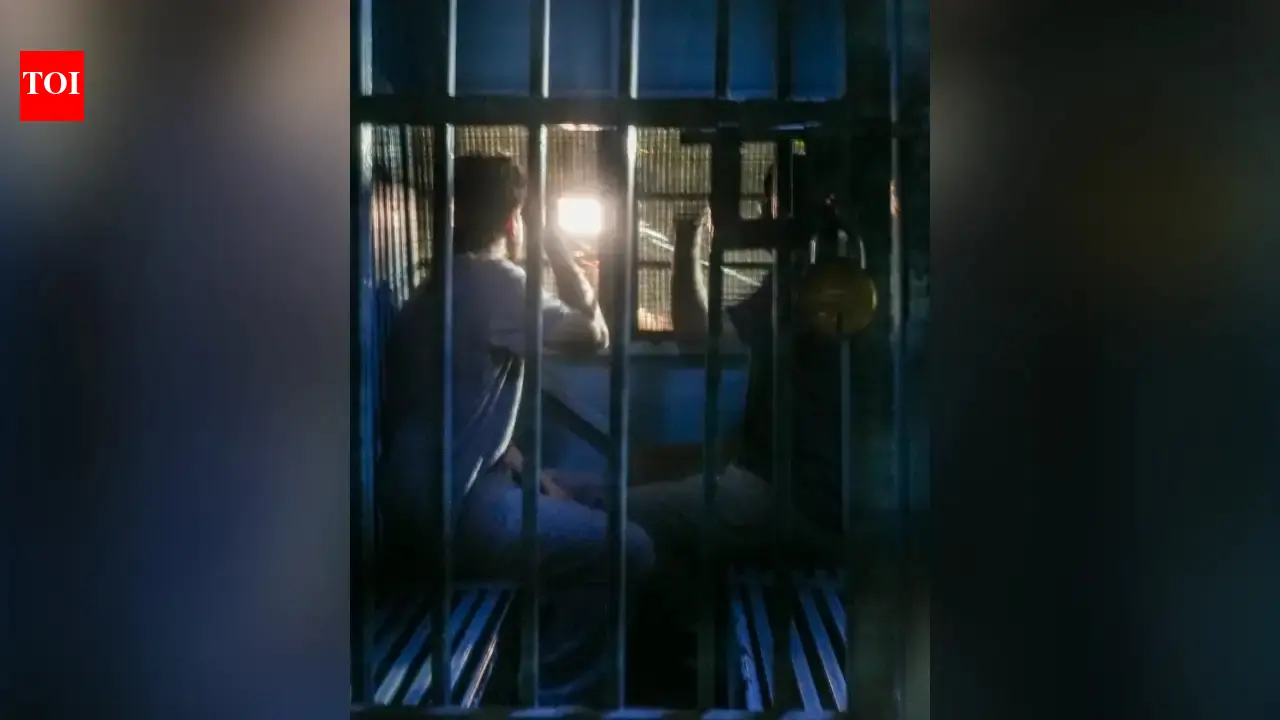
A special executive magistrate court in Delhi on Wednesday accepted the surety bonds of Cockroach Janta Party (CJP) leaders Saurav Das and Ashutosh Ranka and ordered their release, the same day the Delhi High Court declined to interfere in their detention and told them to pursue an alternative remedy. The order came on the seventh day of custody that began after a protest at Jantar Mantar, which had been denotified as a designated protest site.
What happened
Das and Ranka were detained and remanded to judicial custody on October 14 after being picked up for allegedly entering Jantar Mantar and violating peace bonds. Their custody was extended by two days on October 19. On Wednesday, Delhi Police asked the special executive magistrate for a further three-day extension.
The two moved the Delhi High Court against the extension, invoking Sections 126 and 170 of the Bharatiya Nagarik Suraksha Sanhita and arguing that the continued detention was illegal and that the allegations did not establish an imminent threat to peace. The High Court asked them to wait for the magistrate's decision and to approach the appropriate appellate or revisional forum if their grievance persisted. They withdrew the plea.
The High Court said it had expressed no opinion on the merits of the case before permitting the withdrawal. The magistrate then accepted the sureties and ordered release, adding that they may be released from jail if they are not in custody in any other case.
What we can verify
Two distinct outlets, The Times of India and Hindustan Times, carry the release order and the custody timeline, which establishes the sequence: detention, five days of judicial custody from October 14, a two-day extension on October 19, a police request for three more days, and release on surety bonds.
The two reports differ on one date: The Times of India says the two were remanded to judicial custody on October 14, while a caption on the Hindustan Times report says they were sent to judicial custody on October 13. Both agree the initial remand was for five days.
Both report the High Court's remarks during the hearing, including that Das had broken a bond once already and that his remedy lay in revision. The court said, as carried by The Times of India: "Once you have broken peace for the second time, are the authorities not entitled to insist upon everything?" Hindustan Times reports the court saying: "Suddenly, we hear about regime change, which we normally do by ballot," and attributes that line to Live Law.
What the reports do not establish: the terms of the surety bonds, the amount of any surety, whether the two had been physically released by the time the reports were filed, and whether any other case is pending against them. Neither report carries the text of the magistrate's order.
What each side says
Advocate Abhik Chimni, appearing for the petitioners, argued that the magistrate lacked jurisdiction to extend their custody and that their sureties had been wrongly rejected, according to The Times of India.
The High Court, per both reports, questioned why the two had come to it directly, with the court saying: "Your second incident. You are a person who has actually broken a bond. Your remedy actually lies in revision." Hindustan Times reports the court also observed that the CJP's stated causes kept changing across protests and that this was a relevant question for the magistrate weighing a possible breach of peace.
Delhi Police's position appears in the reports only as the request for a three-day extension of judicial custody and the underlying allegation of entering a denotified site and violating a peace bond. Neither report carries a statement from a police spokesperson, and neither carries a response from the Union Home Ministry, which administers the Delhi Police.
Saurav Das, speaking to reporters after the order, said: "Truth has prevailed." CJP founder Abhijeet Dipke posted a clip from the film Chak De India on X in response to the release, per The Times of India.
What it means for people
Three things change for anyone who wants to assemble in the capital. First, the site matters more than the cause: Jantar Mantar has been denotified as a designated protest site, so a gathering there is treated as trespass rather than assembly, and the burden falls on the individual protester. Second, a peace bond follows you. The High Court's reference to a second incident means a prior bond breach was treated as an aggravating fact, not a technicality, and the court's view was that repeated breach justifies stricter conditions. Third, the route to challenge custody is procedural, not immediate: the High Court sent the two to the magistrate and then to a revisional court, which is why seven days passed before sureties were accepted.
For citizens outside Delhi, the practical question is cost. Das and Ranka spent seven days in custody without a conviction, on allegations of entering a site and breaching a bond. The release order does not withdraw the case, and the reports do not say when it will next be heard. Anyone planning a protest should also note the court's remark that one person breaking a barricade can draw ten or twenty others into a violation, which is the reasoning courts have used to hold organisers responsible for a crowd.
- delhi
- protest
- courts
- civil-liberties
Sources
- The Times of India — Delhi court orders release of CJP leaders Saurav Das, Ashutosh Ranka(opens in a new tab)timesofindia.indiatimes.com
- Hindustan Times — 'Suddenly we hear about regime change': Delhi HC during CJP leaders Saurav Das, Ashutosh Ranka's plea hearing(opens in a new tab)hindustantimes.com
Spotted a mistake, or know something about this story? Send a correction or tip. Corrections are appended, never silently overwritten.